Living Evidence 2026: It’s a wrap
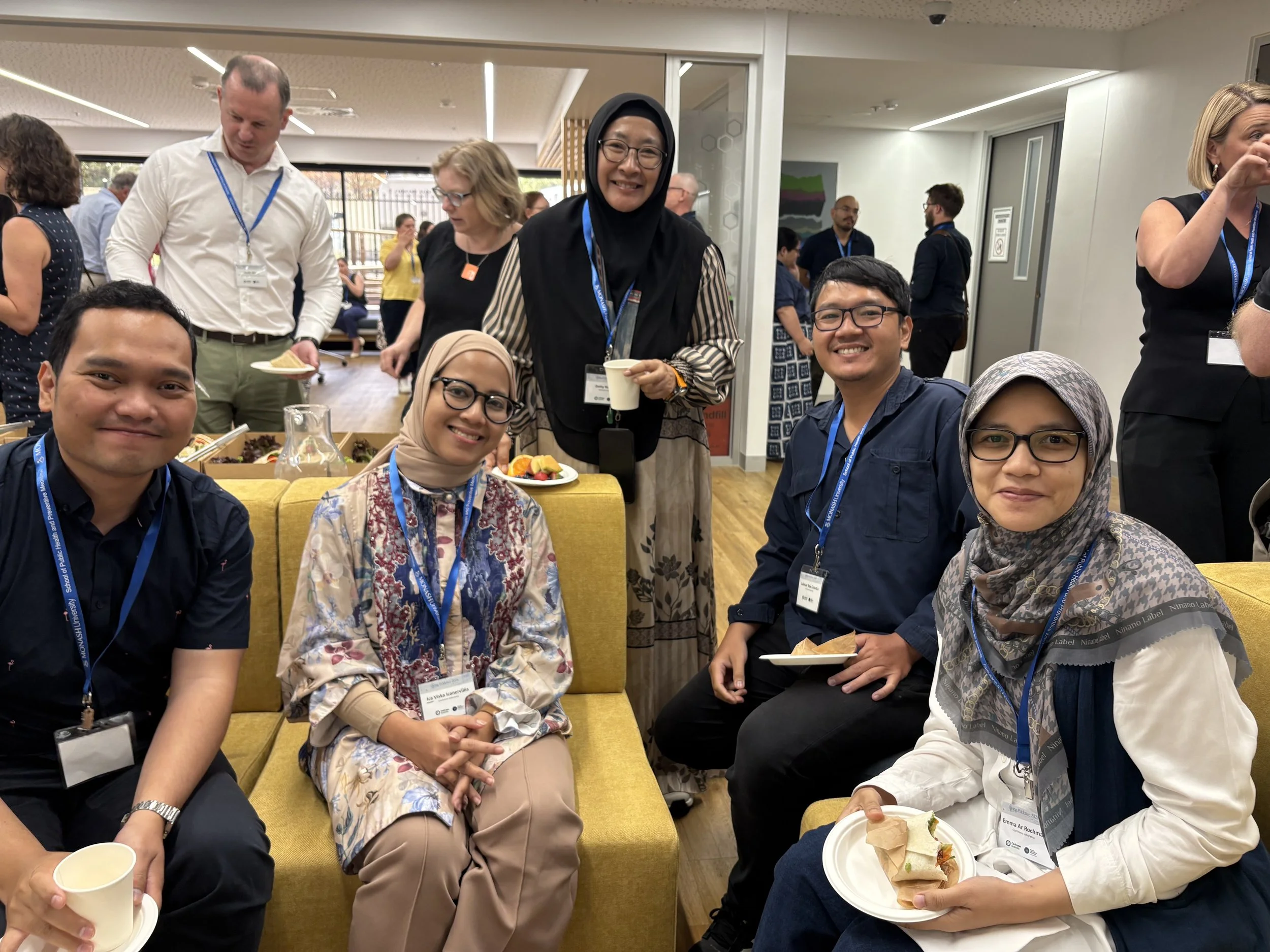
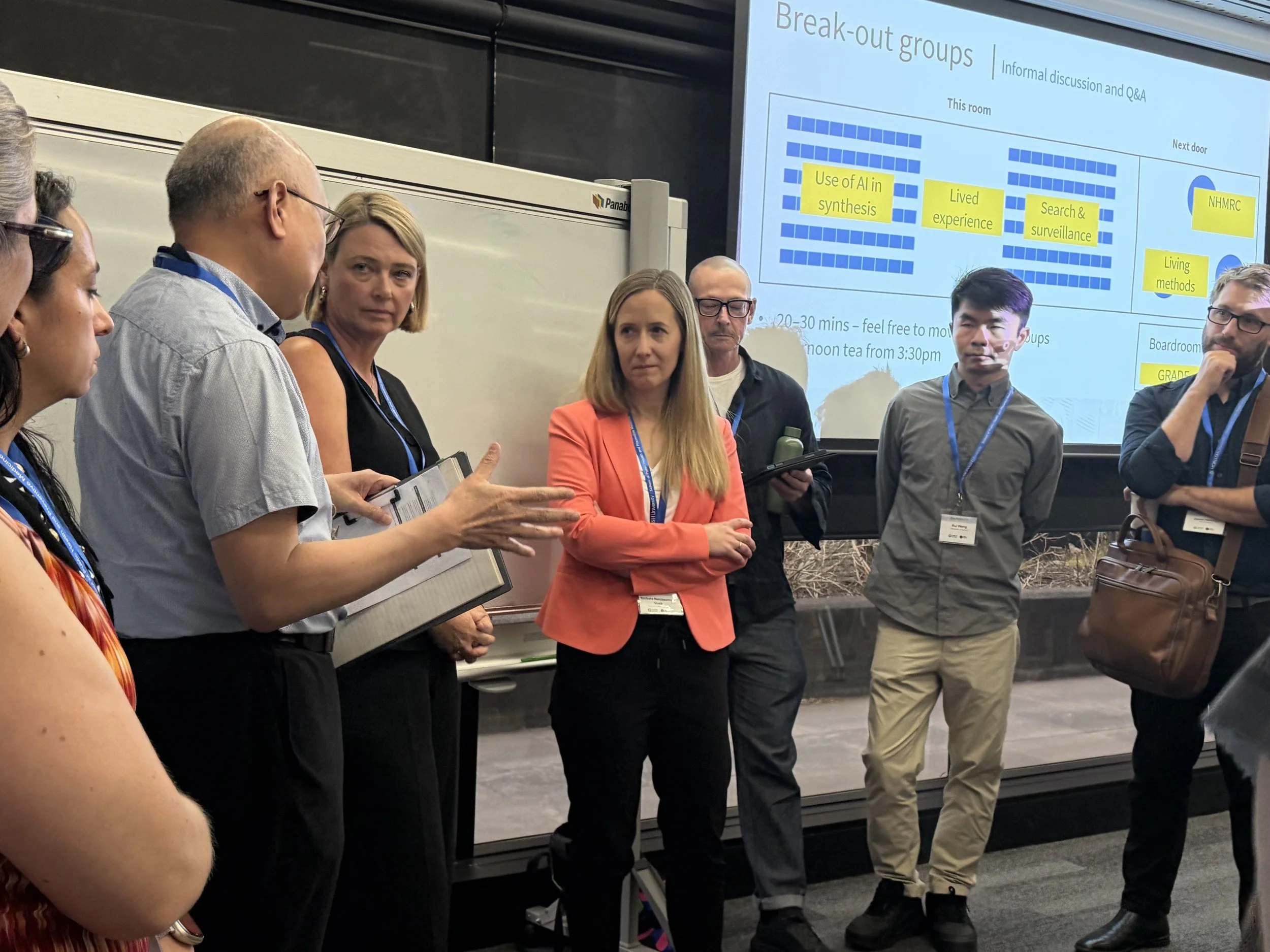
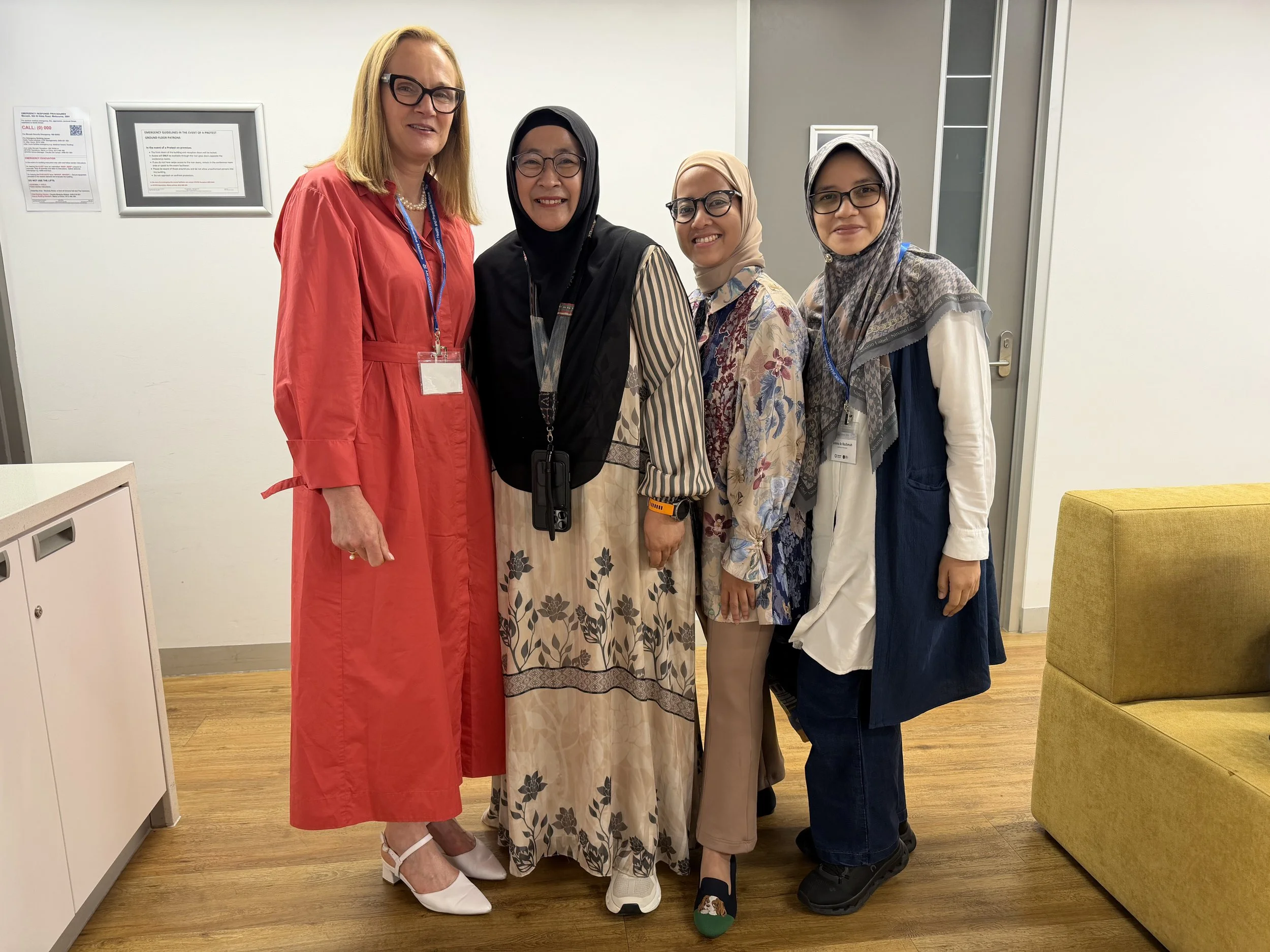
Across three big days last week, researchers, guideline developers, clinicians and policymakers gathered at Monash University’s School of Public Health and Preventive Medicine for practical workshops, critical debate and lively discussion on the future of living evidence.
Here’s a quick wrap and selection of snaps, with more detailed analysis from presenters to come in the weeks ahead…
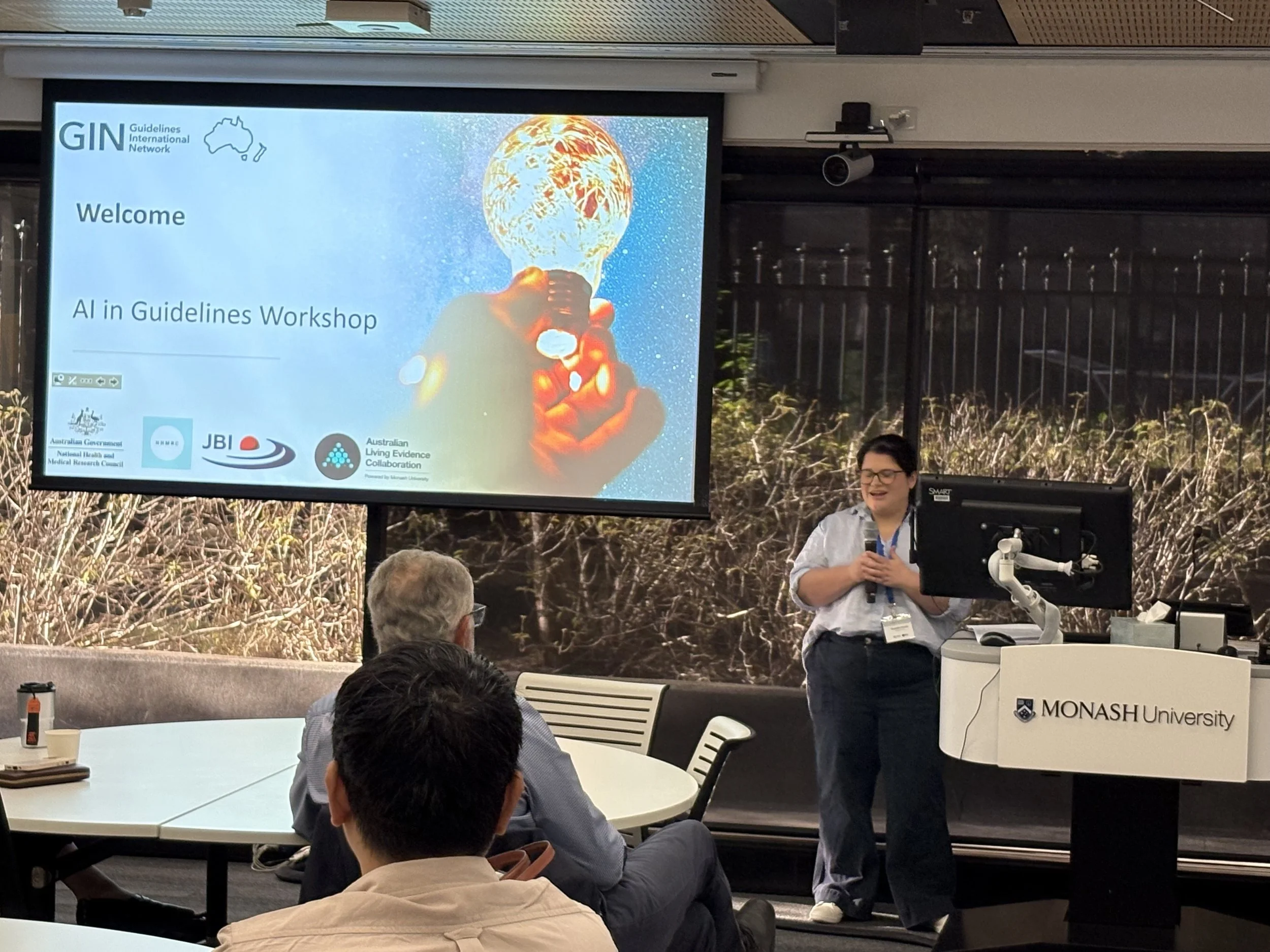
Day 1: Living guidelines workshop: what, when and how
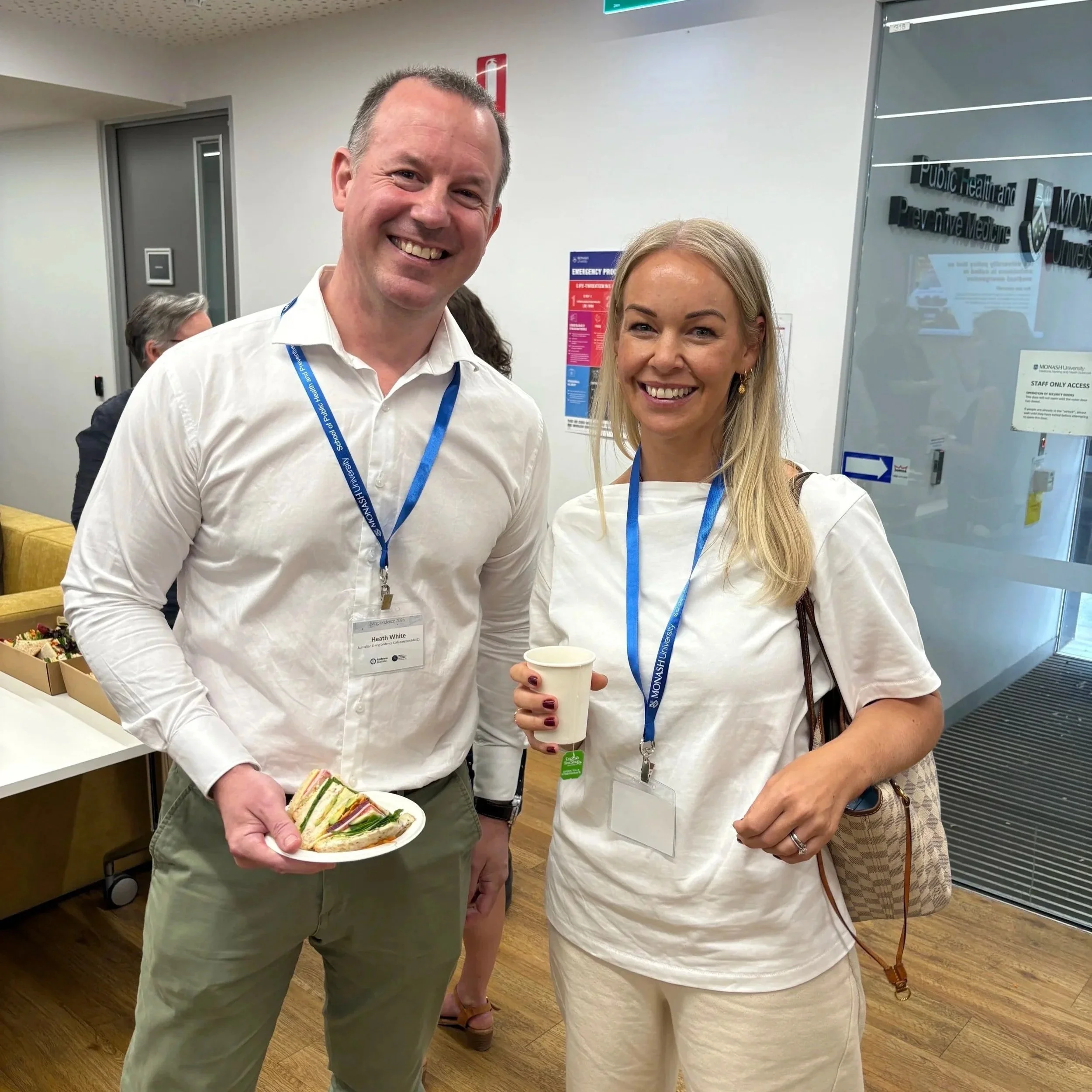
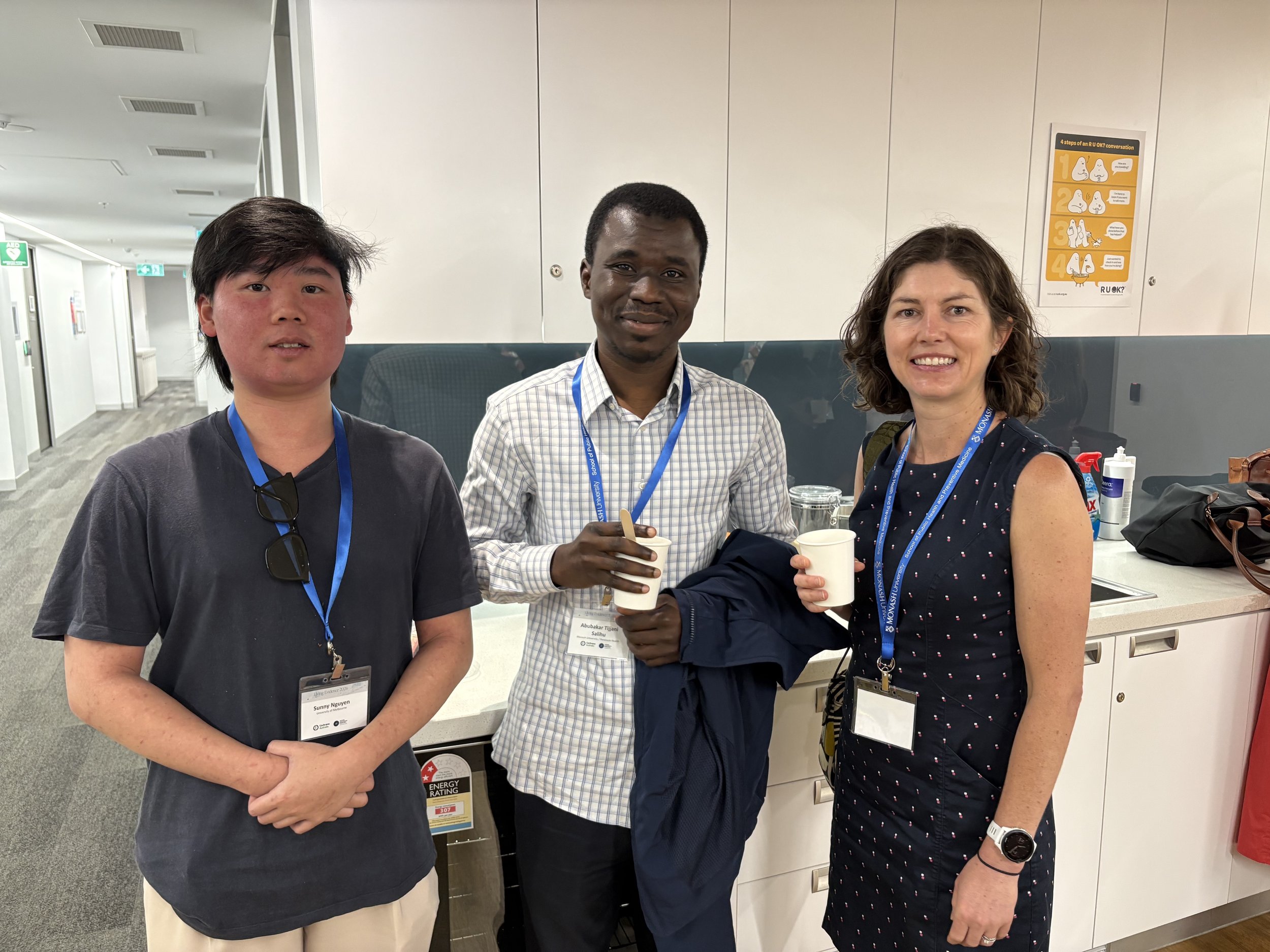
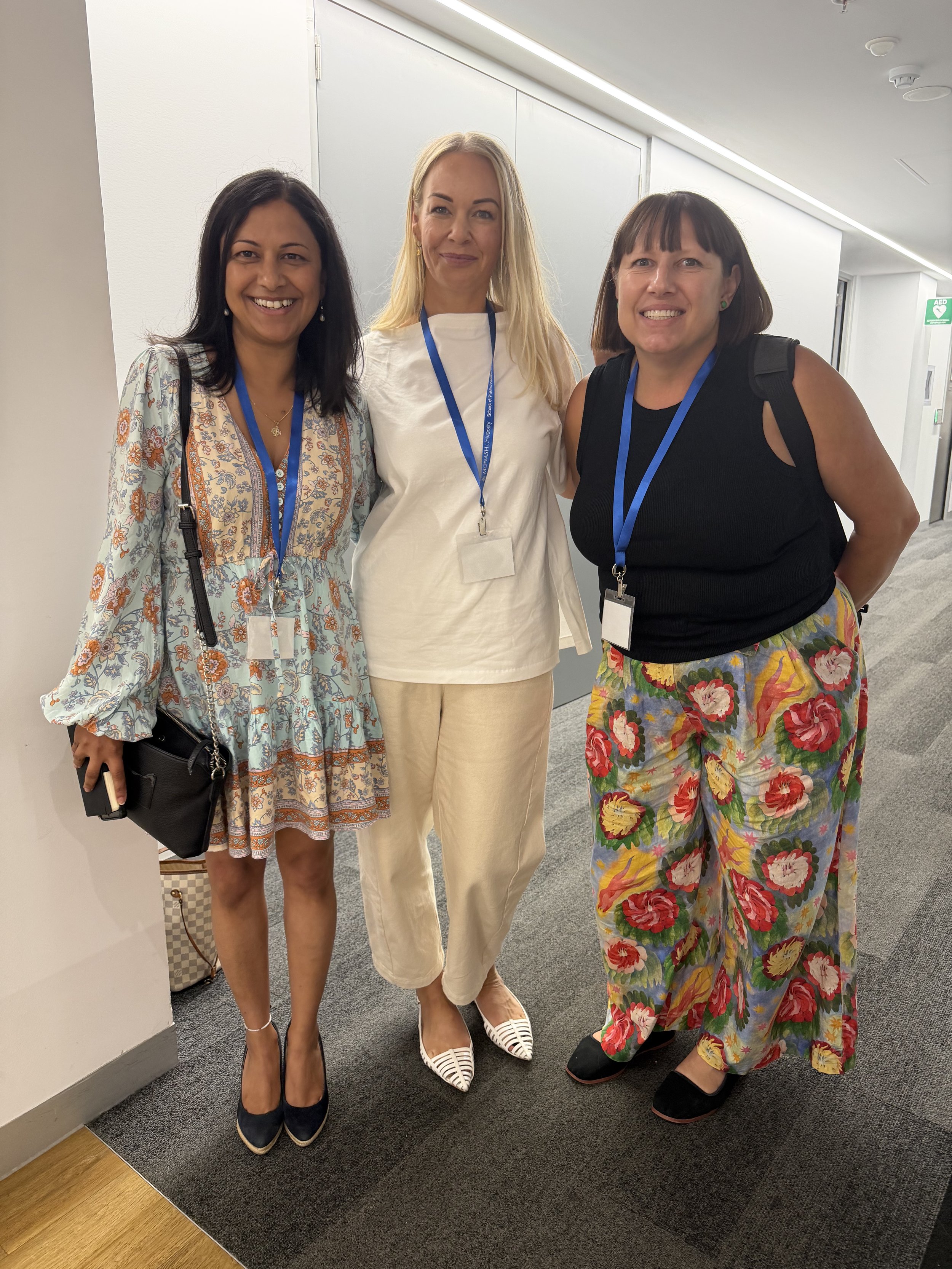
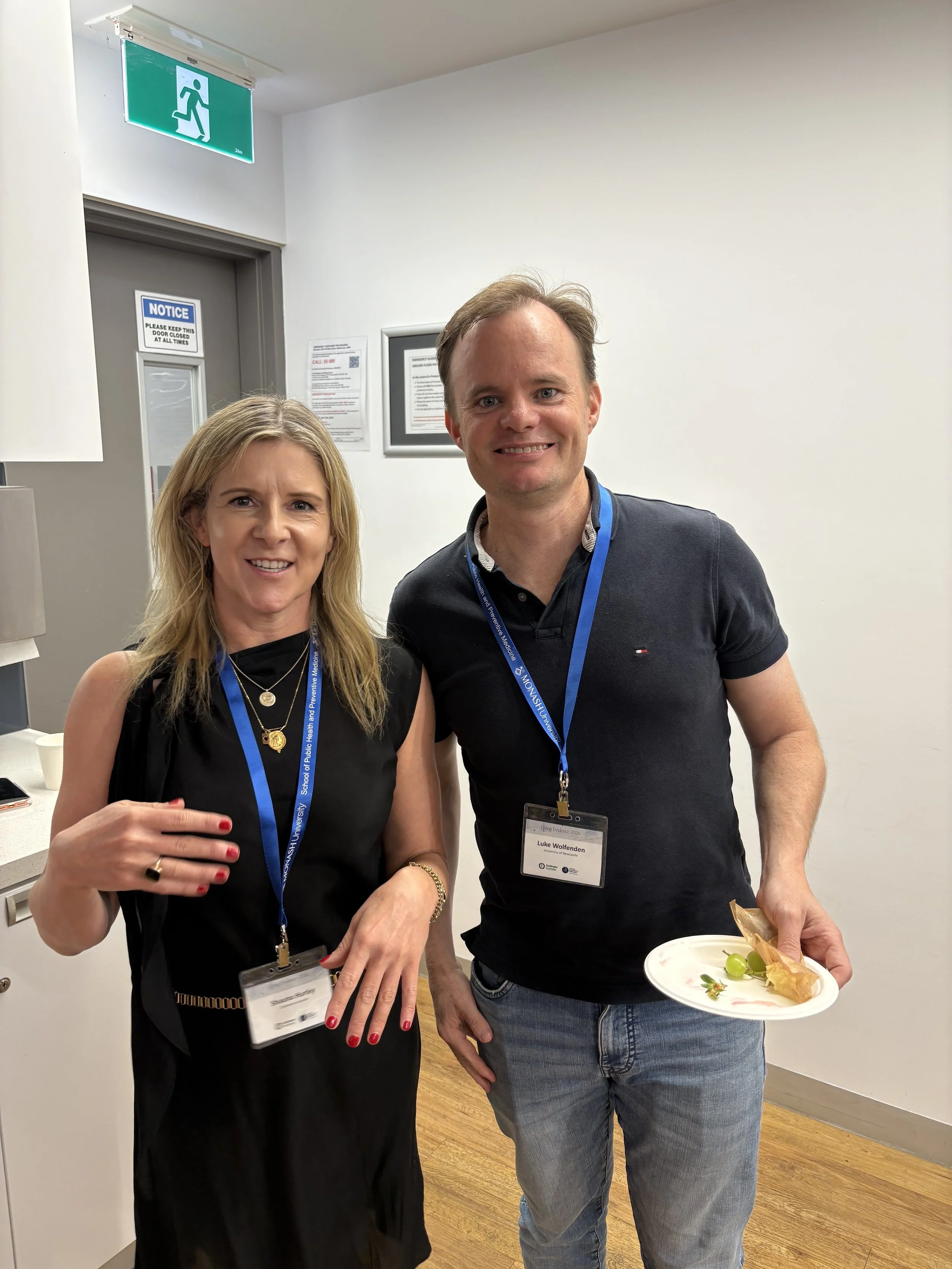
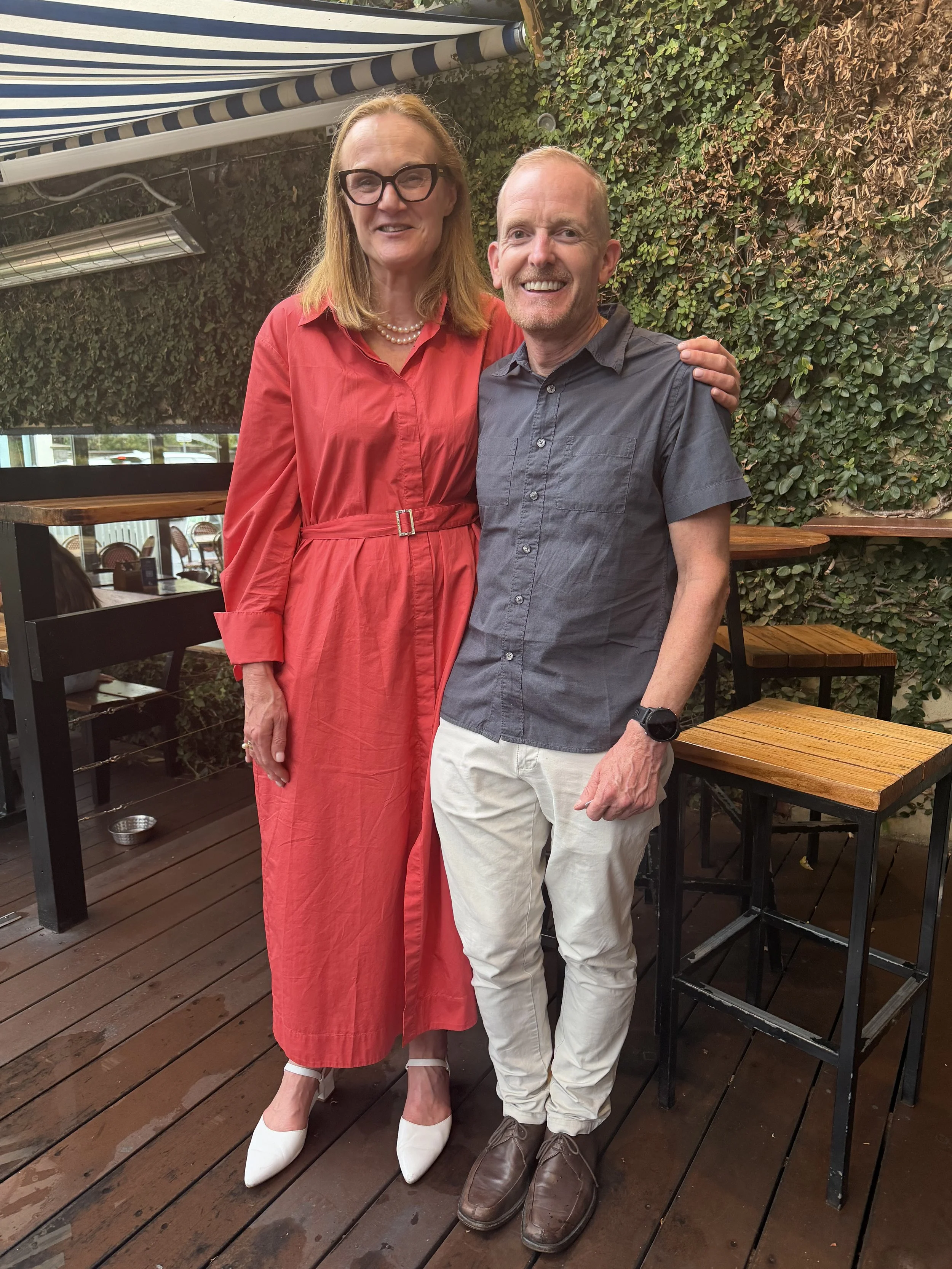
ALEC’s Heath White and Tanya Millard break for lunch at the Living Evidence Workshop
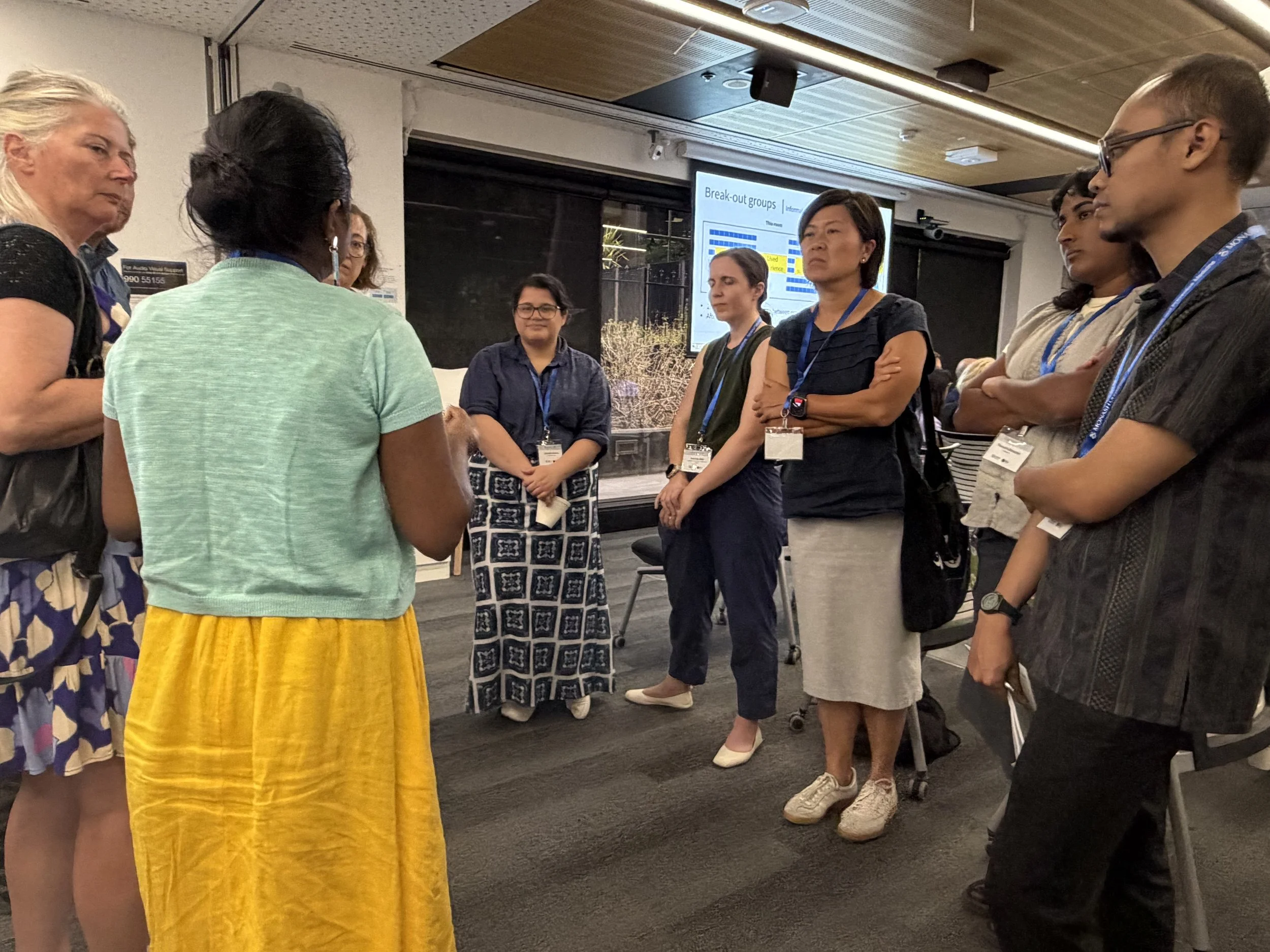
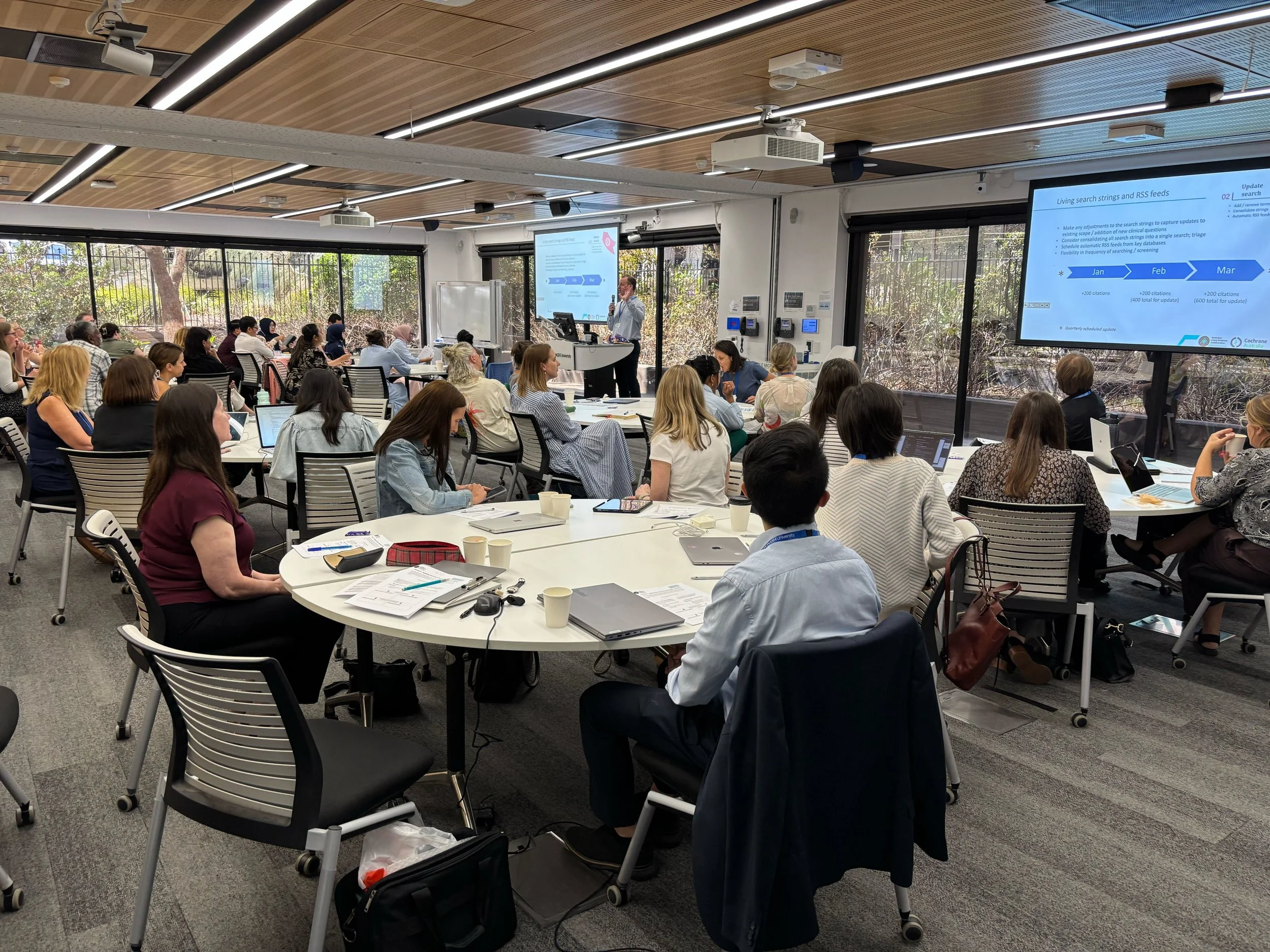
Kicking off with a hands-on workshop led by Heath White (Australian Living Evidence Collaboration). Participants explored the practical realities of transitioning from traditional guidelines to living models — from updating recommendations and managing workflows to understanding the resource implications of maintaining responsiveness over time.
Discussions focused on what it truly takes to stay “living”: governance structures, updating cycles, maintaining methodological rigour, and ensuring recommendations remain applicable and impactful in fast-moving clinical fields.
Day 2: Living Evidence Symposium
The Living Evidence Symposium brought together national and international experts to tackle some of the most pressing questions facing evidence synthesis today.
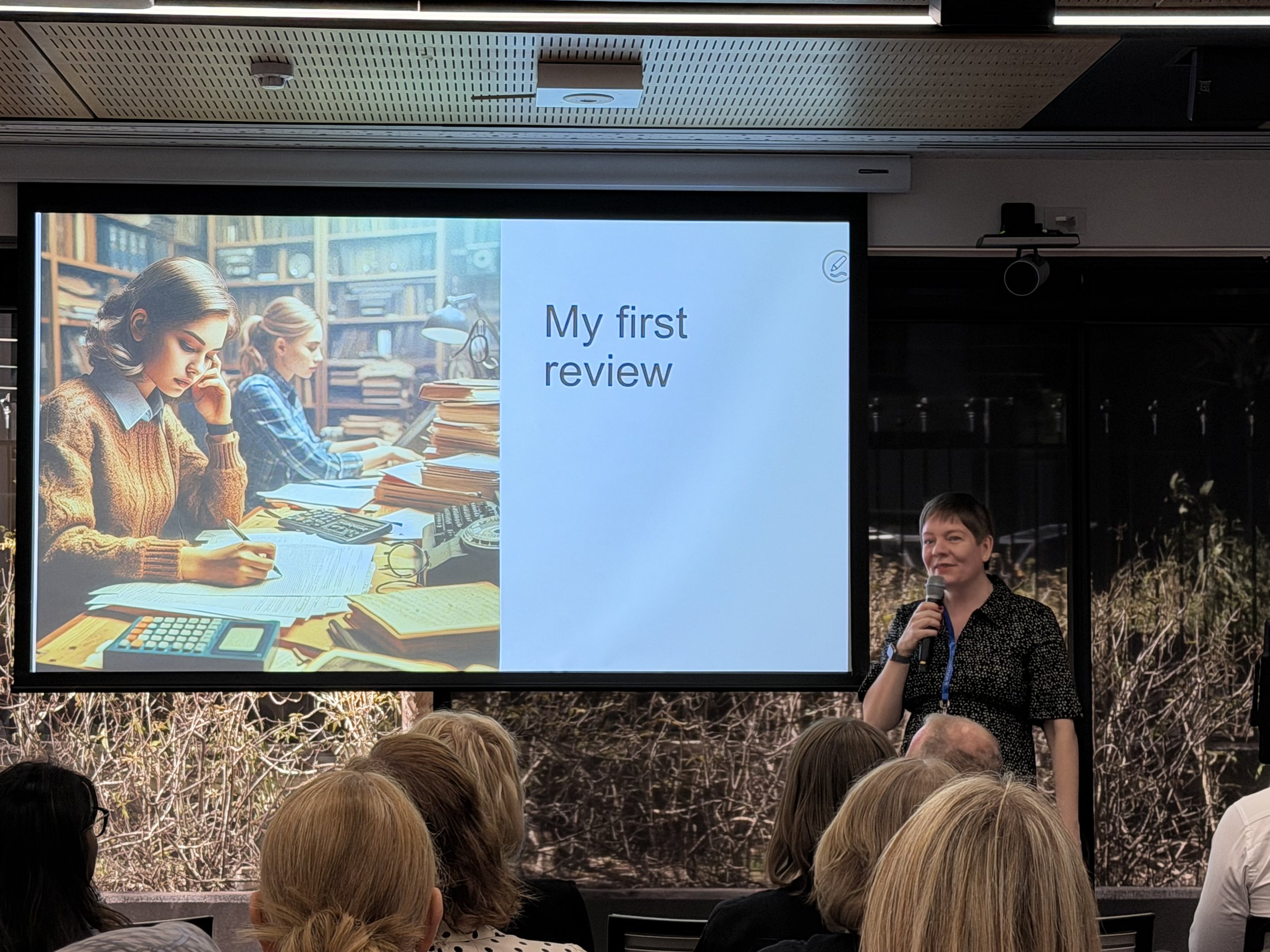
AI and automation were unsurprisingly hot topics, with Darren Rajit and Barbara Nussbaumer-Streit taking a closer look at the real-world promise and potential limitations of AI-enabled screening and surveillance.
The conversation was refreshingly pragmatic rather than hype-driven, with a focus on where AI can genuinely improve efficiency and where human judgement remains irreplaceable.
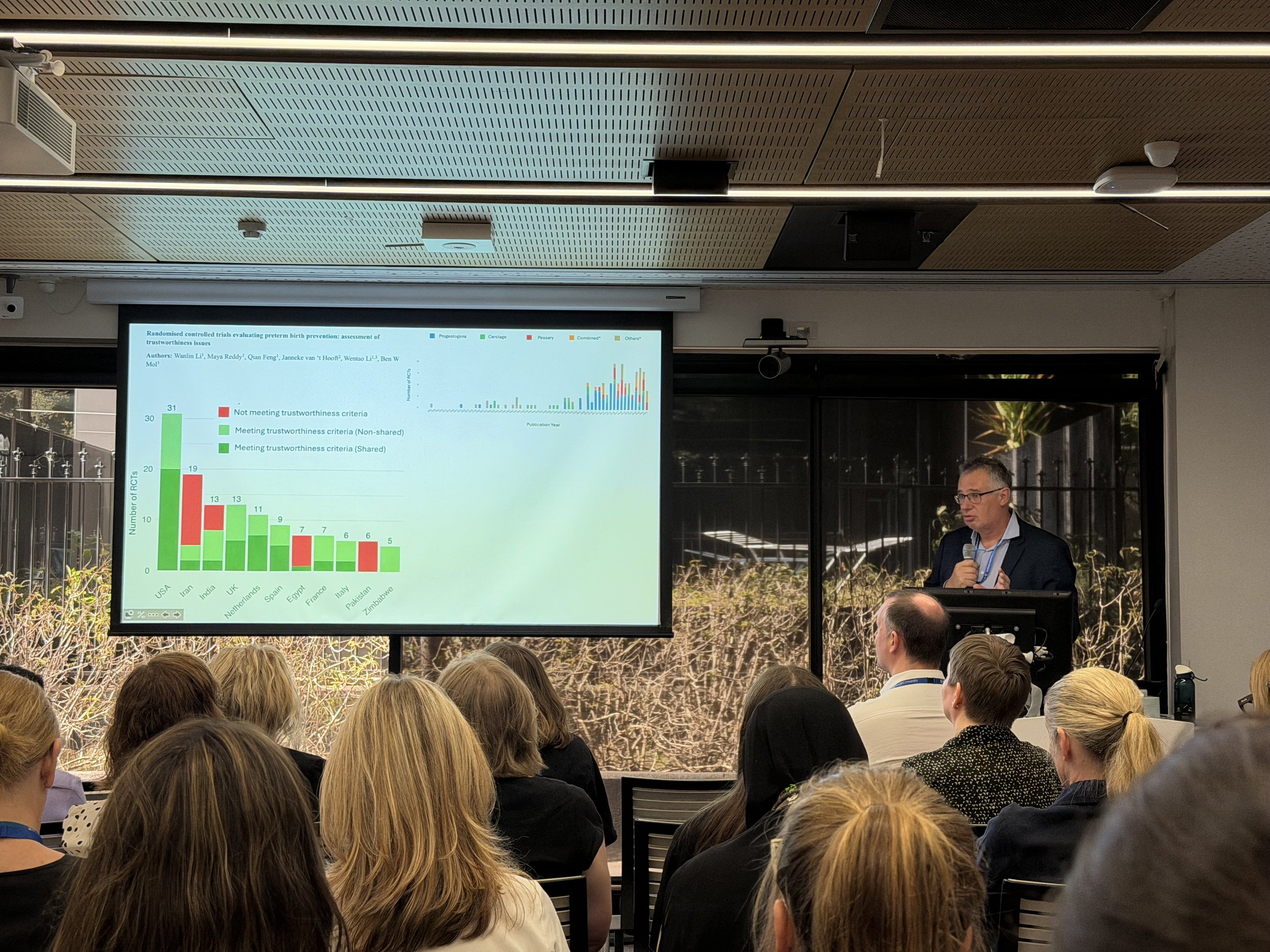
Research integrity was front and centre in Ben Mol’s session, which challenged attendees to consider not just the availability of data, but its reliability. As research output accelerates, ensuring trustworthiness becomes as critical as timeliness.
Methodological innovation was explored through sessions from Rebecca Hodder, Lene Seidler and Sue Brennan, highlighting advances in living systematic reviews, prospective meta-analysis, and evolving GRADE guidance — including integration of randomised and non-randomised evidence.
Looking outward, Miranda Cumpston and David Tunnicliffe examined how living guidelines can scale and adapt across contexts — from planetary health to tailoring international guidance for Australia and New Zealand.
The day closed with Tari Turner’s thought-provoking session arguing that living evidence alone is not enough. The challenge ahead is not simply keeping pace with research, but reshaping systems to generate the evidence we actually need.
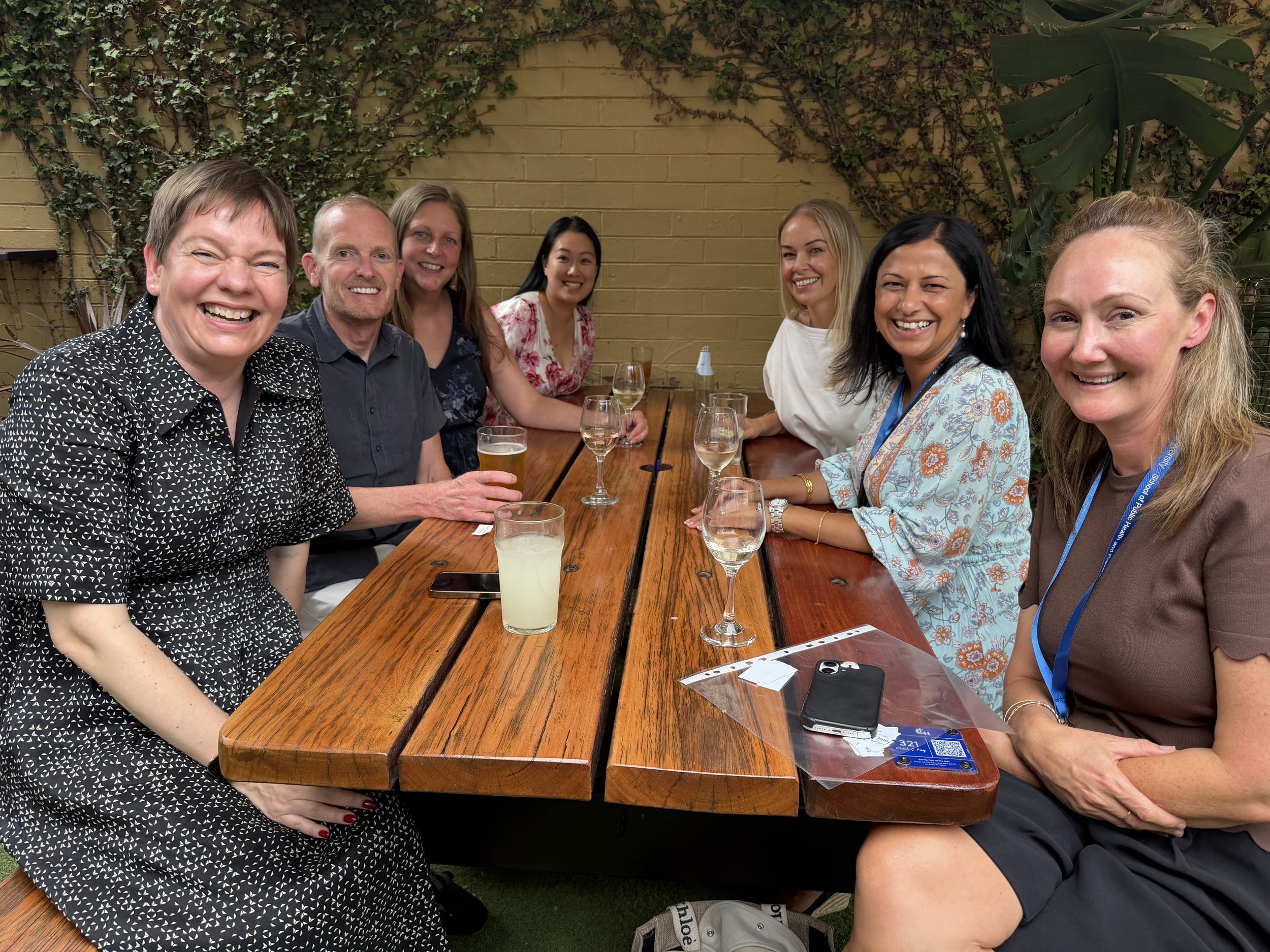
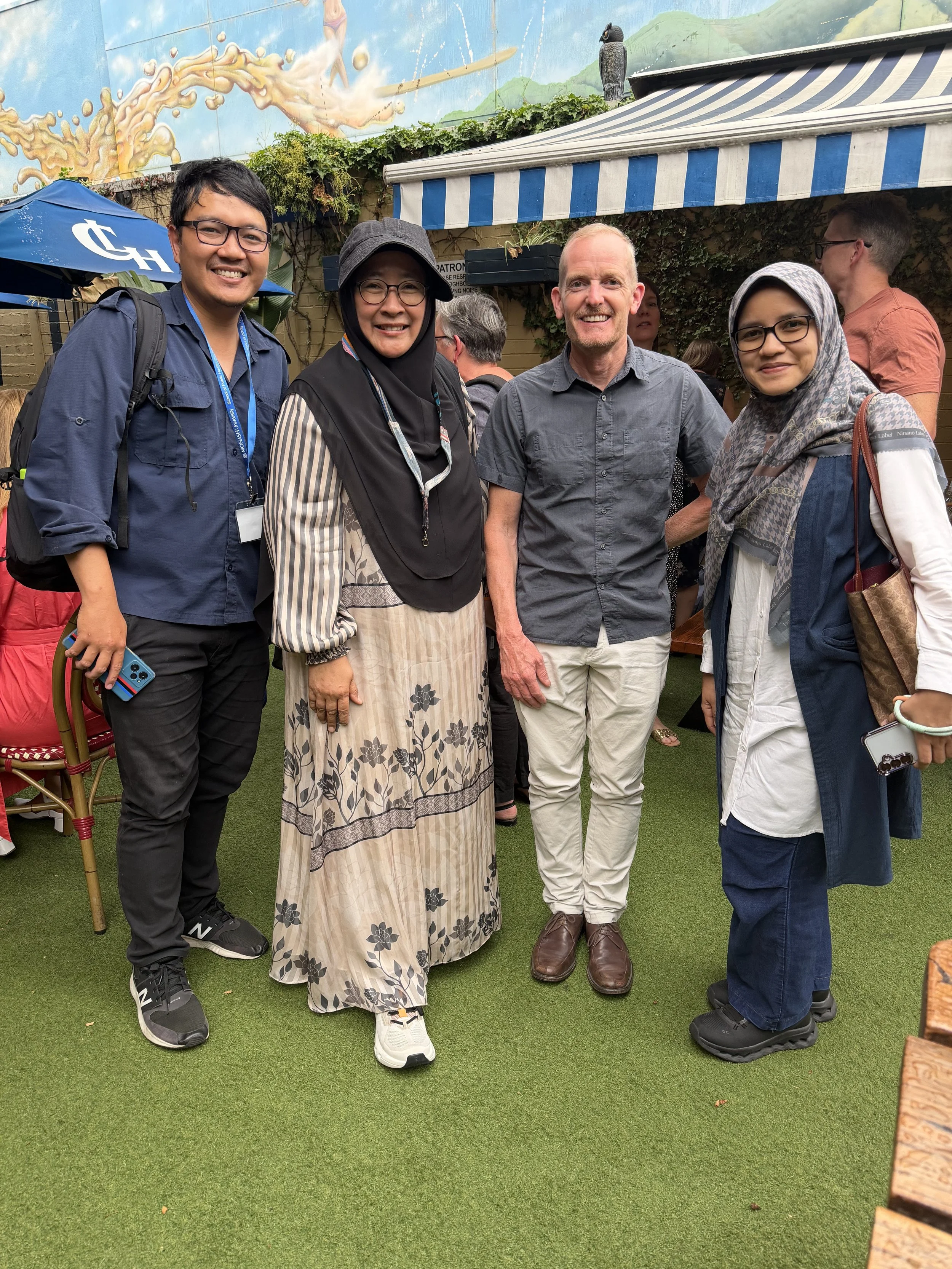
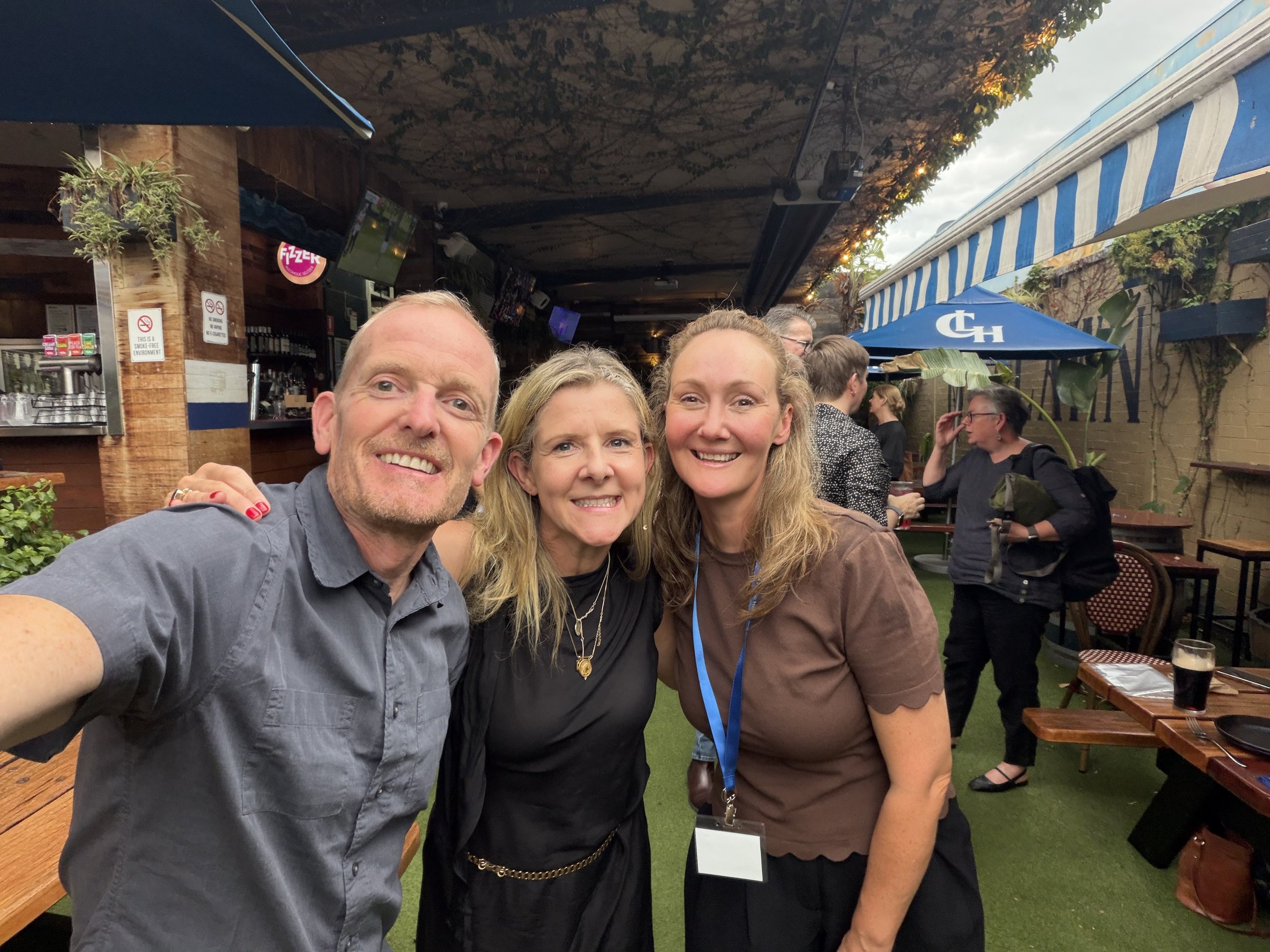
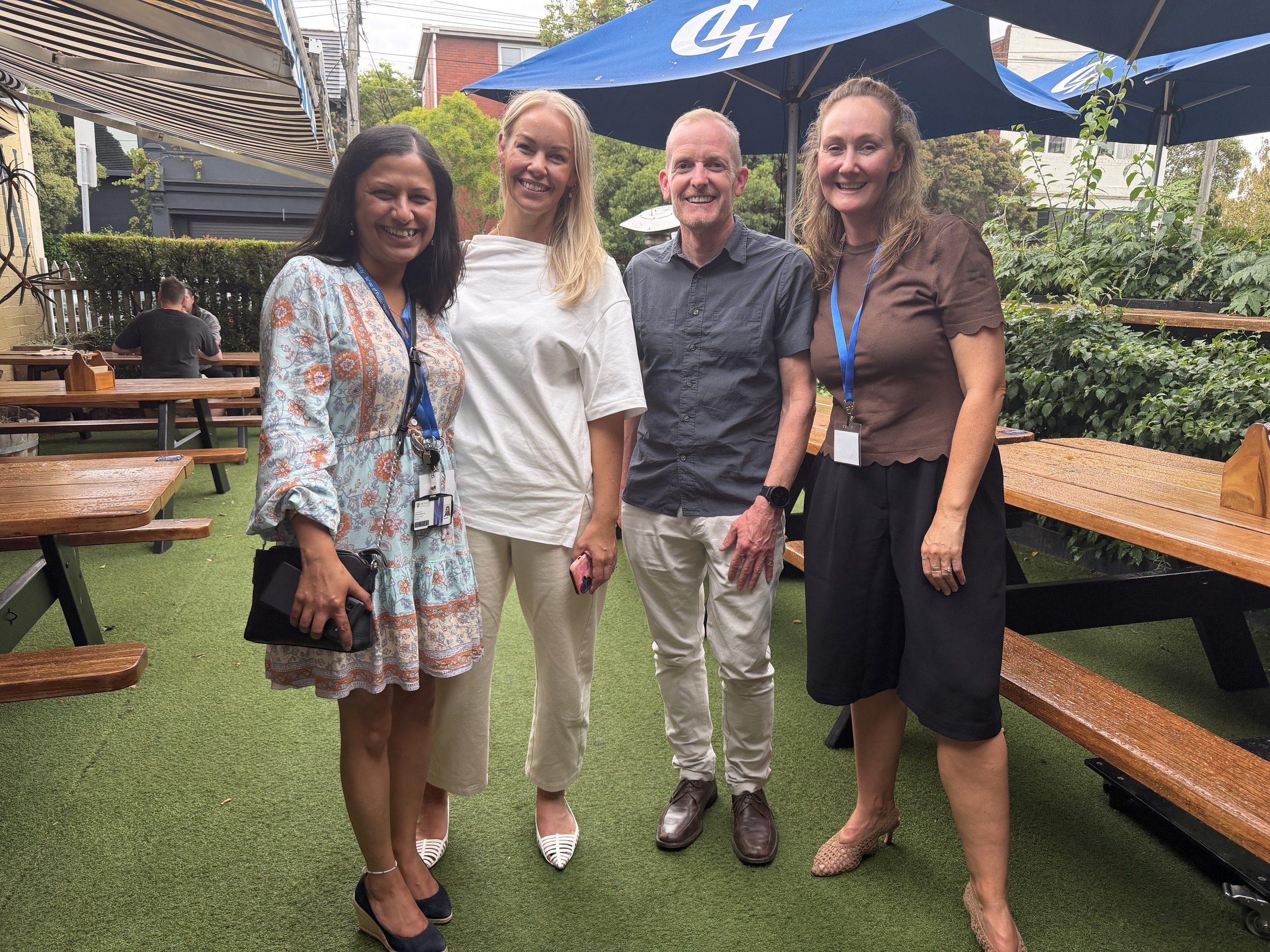
Conversations about all this and more were continued over drinks at the nearby College Lawn Hotel.
Day 3: AI in Guidelines: An Australian Lens
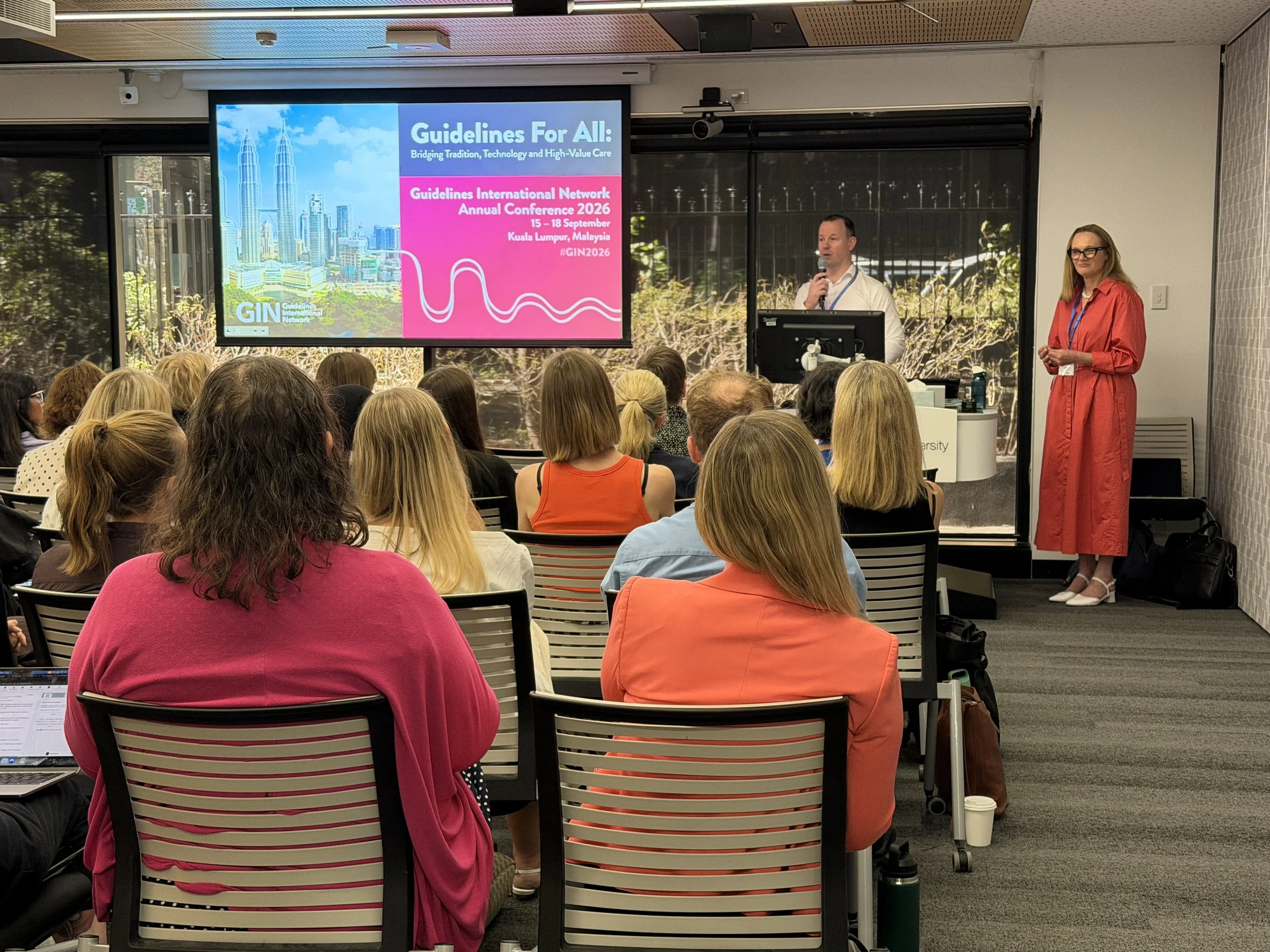
The final day focused squarely on AI implementation in Australian guidelines. Organised by GIN ANZ and supported by JBI and NHMRC, the workshop explored how AI can responsibly augment rather than replace human expertise.
Speakers and participants took a closer look at governance, transparency, ethical considerations and workforce capability, asking not only what AI can do, but how it should be deployed within Australian systems.
Strong in-person and online attendance reflected the appetite for practical guidance on integrating AI into living evidence processes.
Looking ahead
Living Evidence 2026 demonstrated that AI tools are rapidly moving from experimentation to workflow integration. The conversation is clearly shifting from “can we do this?” to “how do we do this responsibly, sustainably and at scale?”
The challenge now is coordination across methods, policy, technology and lived experience, to ensure living evidence continues to evolve in ways that improve decision-making and health outcomes for all.
Last but not least: a few thank yous
Many thanks to Cochrane Australia’s Business Manager Carly Fry for her tireless work behind the scenes to ensure invites, AV and photography were top notch, and most critically that our 120 participants had plentiful coffee, tea, tasty treats and festive drinks to fuel three big days of discussions.
Thanks also to Cochrane Australia Co-Director Steve McDonald for his characteristic energy and enthusiasm for bringing together another stellar line up of speakers and topics for Symposium 2026.
And one final appreciative shout out to Darren Rajit for our favourite social post from the event. We couldn’t have said it better ourselves…