Celebrating 25 Years of GRADE
We believe better evidence leads to better health.
For 25 years, GRADE has been transforming evidence into action – it’s the perfect time to reflect on that contribution and share work from the Melbourne GRADE Centre.
GRADE provides transparent, accessible methods and tools for assessing the certainty of evidence and making health decisions, including recommendations. GRADE centres and networks serve as the primary hub within the region for GRADE related questions and for support and collaboration opportunities.
The Melbourne GRADE Centre aims to help researchers, clinicians and policy makers understand, apply and trust GRADE — shaping guidelines, strengthening policy and building capacity across our country and the region.
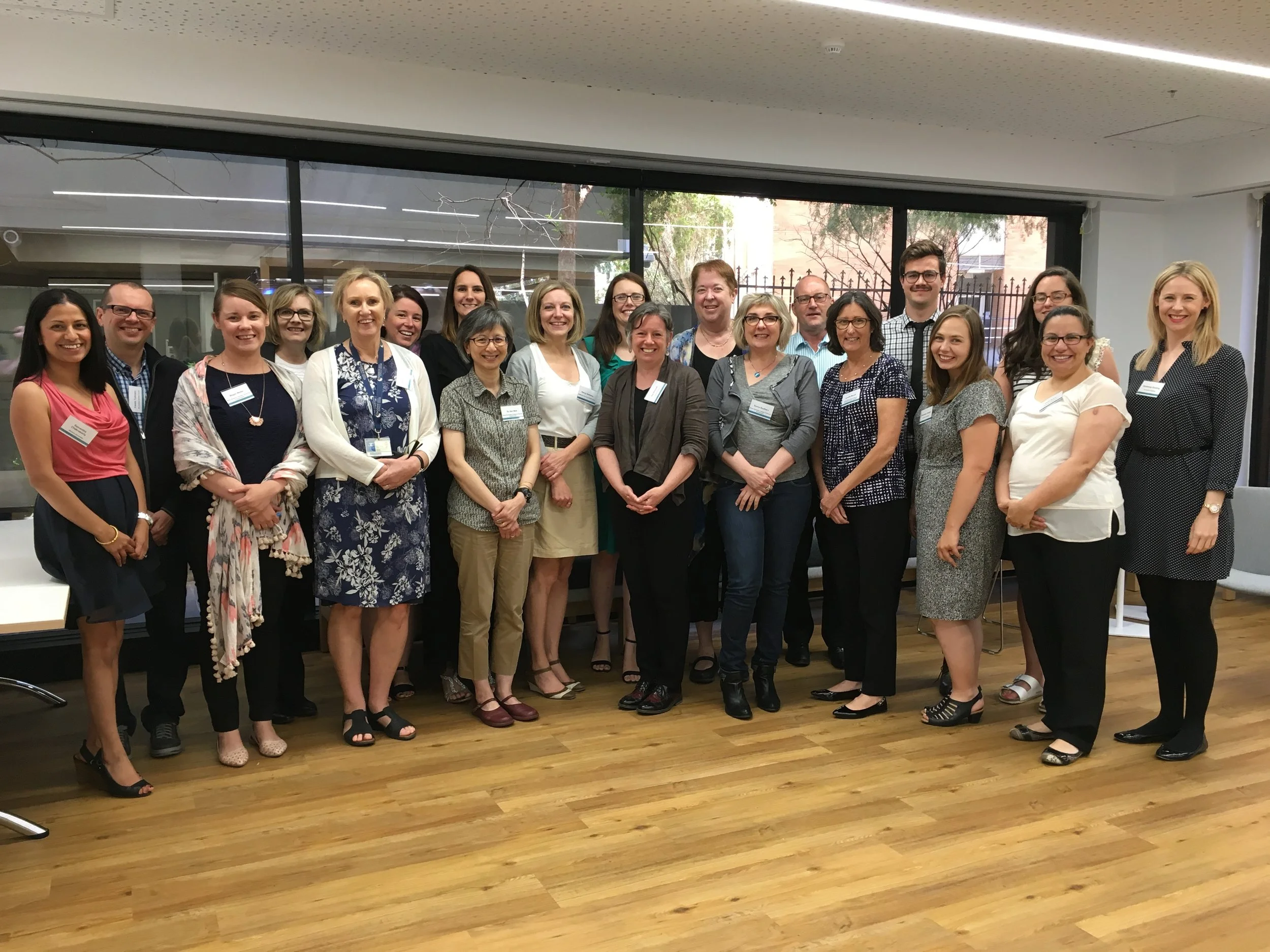
Our story began with a single workshop back in 2017. Since then we’ve:
Led 70+ workshops for more than 1,600 participants
Delivered 26 customised workshops for 15 guideline groups
Supported the development of 5 NHMRC-approved guidelines and other guidelines nationally and internationally
Collaborated nationally and internationally on methods development and guidance to help others deliver trustworthy evidence and recommendations
Applied GRADE methods in evidence syntheses commissioned to inform national guidelines and health policy decisions.
Today, as one of two GRADE Centres in Australia, we lead a regional program of advocacy, training and support, and contribute to the global evolution of GRADE methods.
Now, as we mark this 25 year global milestone for GRADE, we look back on the journey so far — and ahead to the next chapter of advancing evidence-informed decisions around Australia and across our region.
National Training: Building GRADE skills across Australia
From our first national workshop in 2017 to today, the Melbourne GRADE Centre has helped over 1600 researchers, clinicians and policy makers across the country build the skills needed to apply GRADE with confidence.
In 2022 we reached a milestone, offering our first full day GRADE Evidence-to-Decision (EtD) course. Our GRADE EtD workshop was shaped by the diverse experience of the guideline development groups we have worked with.
There is a real skill in steering a guideline group through the process of making recommendations based on evidence and their clinical and lived expertise. By using real recommendations as the basis for our mock panels we are able to give course participants a practical, hands-on experience of turning evidence into recommendations that reflects the challenges we know guideline groups encounter.
Our involvement in GRADE and Cochrane ensures we can cover the most up-to-date guidance on GRADE, evidence synthesis and guideline development. We also cover soon-to-be-published guidance, so that you can get a head start with these methods. While there are many ways to learn about methods – from the webinar series offered by Cochrane to videos that bring the GRADE book to life – the interaction and opportunity to learn new skills with peers may explain the continued popularity of small group workshops.
Highlights:
71 workshops delivered for 1,600+ participants
30 full-day workshops, including our first NHMRC-supported event in 2017
26 customised workshops for 15 guideline groups
Video:
Sue Brennan and Zachary Munn, Director of the Adelaide GRADE Centre, explain how connecting with the GRADE working group and its regional centres can help guideline developers.


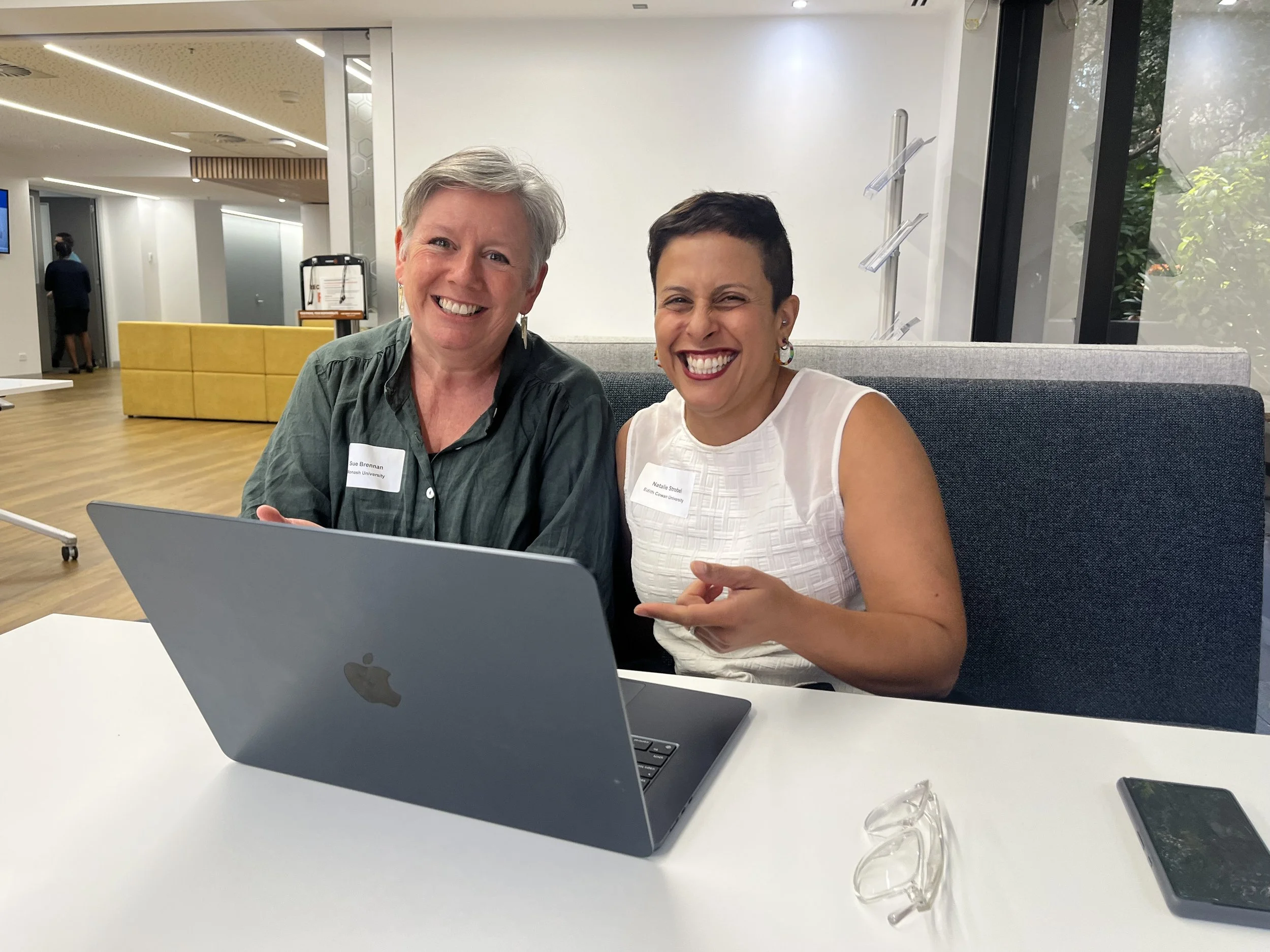
Melbourne GRADE Centre Director Dr Sue Brennan prepares for a symposium talk on recent advances in GRADE at the Monash School of Public Health and Preventive Medicine with Dr Natalie Strobel.
Guidelines: From evidence to practice
Our GRADE work began in evidence synthesis, but quickly expanded to health decision making when the NHMRC endorsed the use of GRADE in clinical practice guidelines soon after we established the Melbourne GRADE centre. We have been fortunate to collaborate with guideline developers who share GRADE’s commitment to transparent evidence assessment that empowers individuals, organizations, and policymakers to make informed, values-based decisions.
Our methods contributions span national and international guidelines across diverse areas — from dementia care and mental health to neonatal hypoglycaemia and immunisation - but all use the GRADE Evidence to Decision framework to make recommendations. Over coming months we will provide insights into some of the guideline projects we have been fortunate to contribute to.
Highlights:
Te Tohu Waihonga - Neonatal hypoglycaemia (Aotearoa NZ)
Physical Rehabilitation and Mobilisation in Adult Intensive Care Units (NHMRC approved)
Appropriate use of psychotropic medications for people living with dementia in residential aged care (NHMRC approved)
Pharmacological management of inflammatory arthritis (methods co-chair for selected recommendations (NHMRC approved)
Management of juvenile idiopathic arthritis (methods co-chair for selected recommendations) (NHMRC approved)
Prevention and treatment of acute stress disorder, post-traumatic stress disorder (PTSD) and complex PTSD (NHMRC approved)
Australian Immunisation Handbook (advisor on GRADE implementation)
Improving physical function for children and young people with cerebral palsy
Current projects:
MDMA-assisted psychotherapy for PTSD (public consultation version, 2025)
Kids’ Leg pain: Diagnosis and care for children and adolescents who live with chronic lower limb pain

NHMRC: Supporting and Informing National Guidelines
From its inception, the Melbourne GRADE Centre has worked closely with the NHMRC to support the use of GRADE through provision of training, methods guidance and advice, and methodological review of guidelines and systematic reviews.
Our work aims to help guideline developers meet the requirements for developing their guideline to NHMRC standards.
An example is our collaboration with the NHMRC to write the Guidelines for Guidelines module on Evidence to Decision and Making Recommendations. The module reflects our experience implementing GRADE with guideline developers, and is taught in our Evidence to Decision workshop.
Our commissioned reviews, produced by Cochrane Australia for the NHMRC, show how GRADE can be used to interpret evidence. From the outset, we design reviews with the GRADE summary of findings in mind – asking ‘what is the most effective way to bring together this evidence to inform decisions and meet the needs of the commissioner’.
The complexity of these reviews – such as in the suite of natural therapies reviews - has provided opportunity to road test new methods we have developed, like the InSynQ tool for planning synthesis questions.
These reviews can reveal critical areas for methods research, including that led by Professor Joanne McKenzie on analysis and meta-analysis of interrupted time series which she says “arose from collaboration on reviews to inform NHMRC’s guidelines on infection control”.
Highlights:
Guidelines for Guidelines Evidence-to-Decision module
More than 40 methodological review reports for the NHMRC of guidelines and commissioned evidence syntheses
Systematic reviews commissioned by the Australian Government for their 2024 review of health insurance rebates for natural therapies (evaluating evidence about 7 therapies from nearly 400 trials)
Systematic review of the dose-response effects of alcohol consumption and cognitive function for the NHMRC’s 2020 guidelines to reduce health risk from drinking alcohol
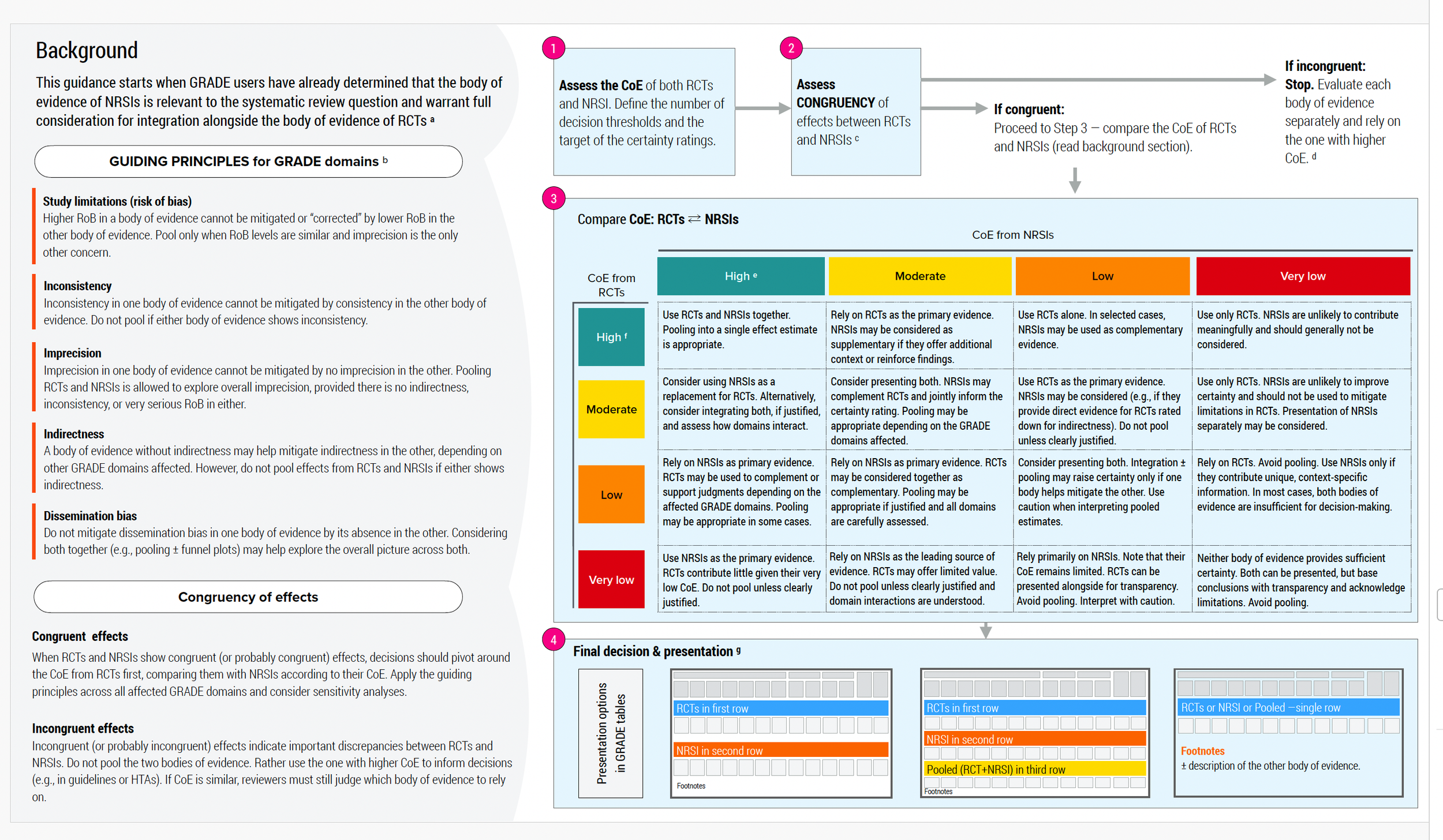
Download a PDF of this GRADE RCT infographic on LinkedIn
Sharing new GRADE guidance worldwide
As part of the global GRADE community, we contribute to training and knowledge exchange beyond Australia. Our team has been invited to deliver workshops internationally, most recently in Shanghai in 2025, where we taught about the new GRADE guidance on integrating evidence from both randomised and non-randomised studies.
This full day workshop was developed and delivered in collaboration with colleagues from the McMaster GRADE Centre in Canada and the Freiburg GRADE Center in Germany, with generous contributions from Carlos Cuello Garcia, Holger Schünemann, and other members of the GRADE working group who developed the guidance on which the workshop was based.
Workshops are an essential way to disseminate new and forthcoming GRADE guidance – whether it be on advancing methods such as those for non-randomised studies, using thresholds for judgements of health benefits and harms, developing Good practice statements, or other topics.
Stay up to date with guidance and get helpful tips by following the GRADE Working Group on LinkedIn.
Image:
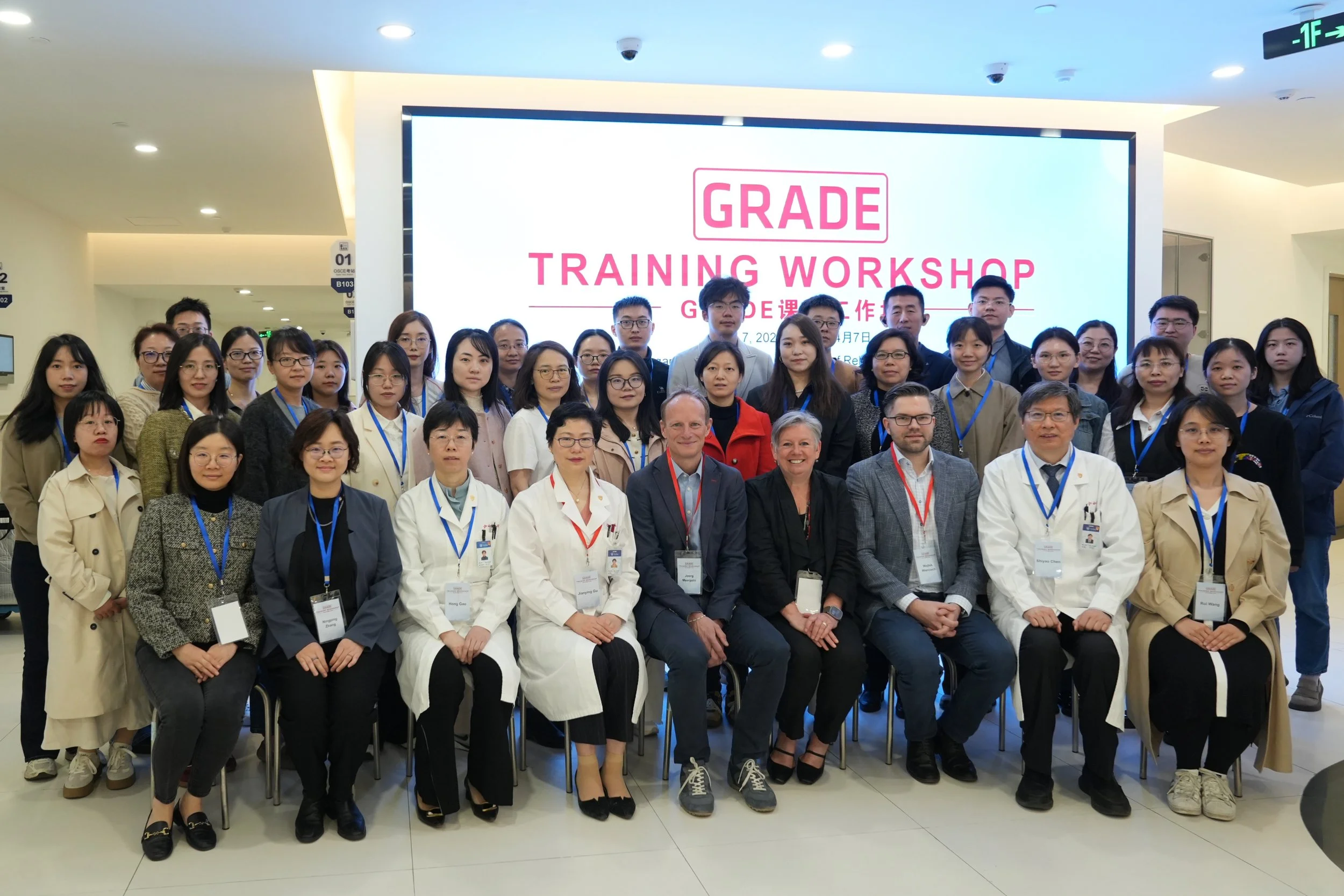
Dr Sue Brennan, Professor Joerg Meerpohl and Assistant Professor Wotjek Wiercioch (front, centre) at the GRADE workshop hosted by the Fudan GRADE Center and Zhongshan Hospital, Fudan University in Shanghai earlier this year.
A snapshot of GRADE in the news


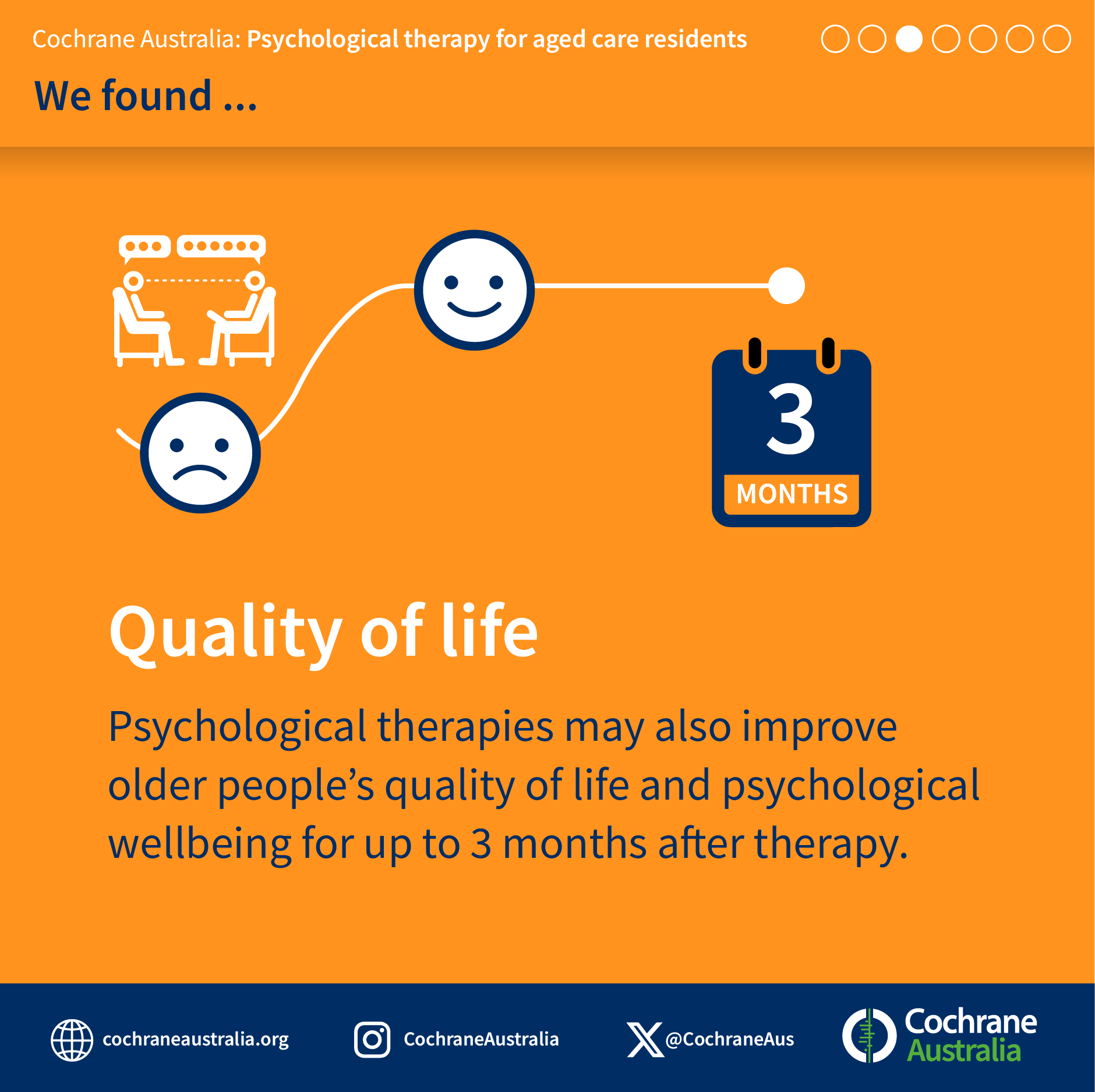
The Melbourne GRADE Centre contributed to the development and design of the GRADE Certainty of Evidence quick reference visual ‘dial’ for Cochrane review infographics…







Selected reading
Selected reading
-
The development methods of official GRADE articles and requirements for claiming the use of GRADE
-
NHMRC Evidence to decision module
-
The GRADE Book