
Living Evidence 2026 Program
17 February 2026 | Monash University School of Public Health and Preventive Medicine | 553 St Kilda Road, Melbourne

Session 1
9:30am
Welcome – Steve McDonald | Cochrane Australia
9:35am
Do guidelines dream of electric evidence?
Britta Tendal Jeppesen | Future Evidence Foundation, Denmark
10.00am
Redefining "evidence" in the context of living guidelines
Heath White | Australian Living Evidence Collaboration (ALEC)
10:20am
Research integrity: now we have the data, but are they true?
Ben Mol | Monash University
10:40am
It’s time for an update: AGREE III, the next iteration of guideline appraisal
Melissa Brouwers | University of Ottawa, Canada
11:00 Break
Session 2 | Chair: Kylie Porritt, JBI
11:30am
Living systematic reviews: alive and well after 7 years?
Rebecca Hodder | University of Newcastle
11:45am
AI-enabled evidence surveillance and screening for living guidelines: swings and roundabouts
Darren Rajit | Monash Centre for Health Research and Implementation, Monash University
12:05pm
Synergies between prospective and living reviews, and living evidence surveillance systems
Lene Seidler | University of Rostock, Germany
12:25pm
Using AI to improve efficiency of evidence synthesis: possibilities and practicalities
Barbara Nussbaumer-Streit | Cochrane Austria and University of Krems
12:50pm Lunch
Session 3 | Chair: Tari Turner, ALEC
1:45pm
Lived experience involvement in living evidence: new possibilities
Annie Synnot | Australian Living Evidence Collaboration
2:00pm
Living evaluations for living guidelines
Tanya Millard | Australian Living Evidence Collaboration
2:20pm
Beyond adoption: adding value to international guidelines from Australia and New Zealand
David Tunnicliffe | University of Sydney
2:40pm
The evidence synthesis taxonomy initiative and managing diverse types of evidence synthesis
Zachary Munn | Health Evidence Synthesis, Recommendations and Impact, Adelaide University
3:00pm Break-out session leading to afternoon tea:
Lived experience – Annie Synnot, Danielle Pollock
Use of AI in synthesis – Barbara Nussbaumer-Streit, Kylie Porritt
Living guideline methods – Heath White, Britta Tendal Jeppesen
NHMRC policies, procedures – Agnes Wilson, Alex Schiavuzzi
GRADE guidance, methods – Sue Brennan, Zac Munn
Search and surveillance – Darren Rajit, Steve McDonald
Session 4 | Chair: Agnes Wilson | NHMRC
3:50pm
Integrating randomised and non-randomised evidence: new GRADE guidance and implications for living guidelines
Sue Brennan | Melbourne GRADE Centre
4:10pm
Innovative approaches to develop and scale up guidelines for better Planetary Health
Miranda Cumpston | Cochrane Planetary Health, Monash University
4:30pm
Moving beyond living evidence: Why living evidence is not enough & how we can get the evidence we actually need
Tari Turner | Australian Living Evidence Collaboration
5:00pm
Close – Steve McDonald | Cochrane Australia
5.30 - 9pm | Social event
Venue: College Lawn Hotel | 36 Greville St Prahran
Join us for a frosty beverage post-symposium to discuss the highlights from the day and catch up with fellow participants in the (hopefully) sunny beer garden of the College Lawn Hotel. It’s just a short stroll from our symposium venue.
Speakers
-
Britta Tendal Jeppesen
Britta is the Chief Scientist at Future Evidence Foundation and an adjunct associate professor at Monash University.
Topic: Do Guidelines dream of electric evidence?
-
Heath White
Heath is the Director of Evidence and Methods at the Australian Living Evidence Collaboration (ALEC).
Topic: Redefining "evidence" in the context of living guidelines
-
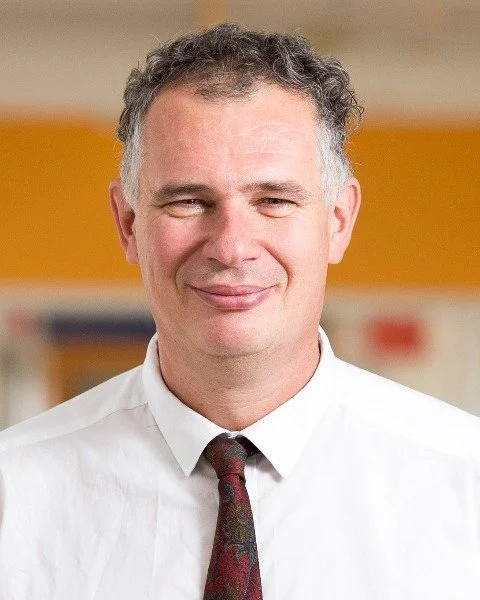
Ben Mol
Ben leads the Evidence-based Women’s Health Care Research Group in the Department of Obstetrics & Gynaecology at Monash University.
Topic: Research integrity: now we have the data, but are they true?
-

Melissa Brouwers
Melissa is the Director of the School of Epidemiology and Public Health at the University of Ottawa, Canada.
Topic: It’s time for an update: AGREE III, the next iteration of guideline appraisal.
-

Rebecca Hodder
Rebecca is an NHMRC Early Career Research Fellow at the School of Medicine and Public Health at the University of Newcastle.
Topic: Living systematic reviews: alive and well after 7 years?
-
Darren Rajit
Darren is completing his PhD at the Monash Centre for Health Research and Implementation (MCHRI) focusing on learning health systems, complexity and tech.
Topic: AI-enabled evidence surveillance and screening for living guidelines: swings and roundabouts
-
Lene Seidler
Lene holds positions at the University of Sydney and University of Rostock, Germany and leads Cochrane's Prospective Meta-Analysis Methods Group.
Topic: Synergies between prospective and living reviews, and living evidence surveillance systems
-
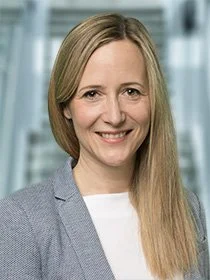
Barbara Nussbaumer-Streit
Barbara is a Professor for Methods Research in Evidence Synthesis at the University of Krems and leads Cochrane Austria.
Topic: Using AI to improve efficiency of evidence synthesis: possibilities and practicalities
-
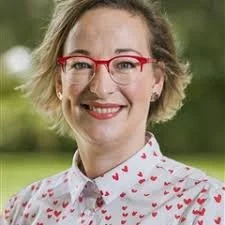
Anneliese Synnot
Anneliese is a Senior Research Fellow and leads the lived experience engagement portfolio for the Australian Living Evidence Collaboration (ALEC).
Topic: Lived experience involvement in living evidence: new possibilities
-
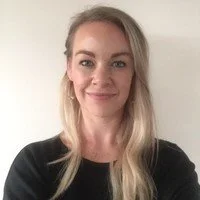
Tanya Millard
Tanya is a Senior Research Fellow and leads the evaluation and prioritisation research portfolio at the Australian Living Evidence Collaboration (ALEC).
Topic: Living evaluations for living guidelines
-
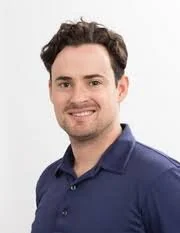
David Tunnicliffe
David is a Senior Research Fellow at the University of Sydney and Scientific Director of the CARI Guidelines (Caring for Australian and New Zealanders with Kidney Impairment).
Topic: Beyond adoption: adding value to international guidelines from Australia and New Zealand
-

Zachary Munn
Zac is Professor and the founding Director of Health Evidence Synthesis, Recommendations and Impact (HESRI) in the School of Public Health at the University of Adelaide.
Topic: The evidence synthesis taxonomy initiative and managing diverse types of evidence synthesis
-

Sue Brennan
Sue is the founding Director of the Melbourne GRADE Centre and Senior Research Fellow in evidence synthesis methods at Cochrane Australia.
Topic: Integrating randomised and non-randomised evidence: new GRADE guidance and implications for living guidelines
-
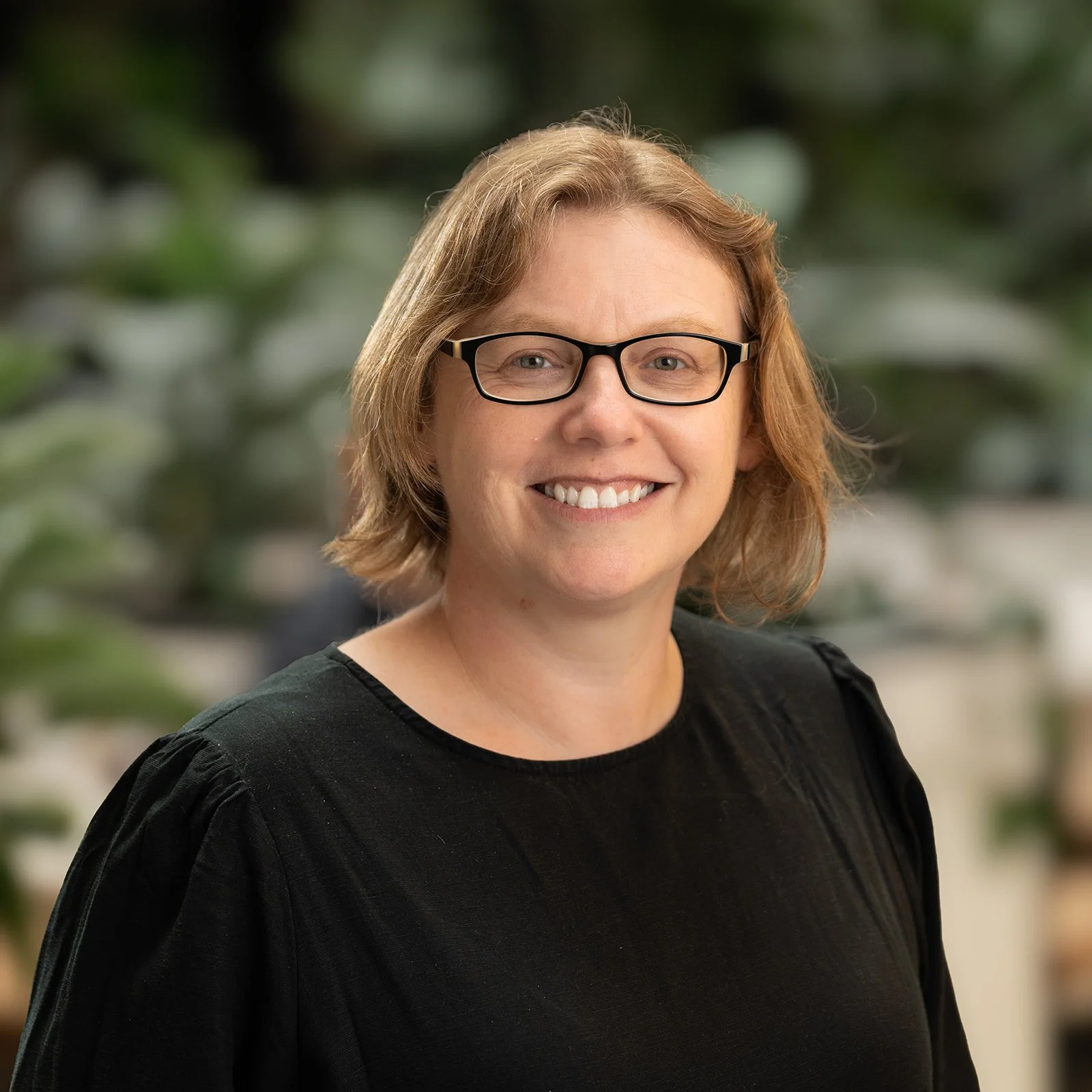
Miranda Cumpston
Miranda is the Guidelines Program Manager at the Australian Living Evidence Collaboration (ALEC) and Co-Director of Cochrane's international Planetary Health Thematic Group.
Topic: Innovative approaches to develop and scale up guidelines for better Planetary Health
-
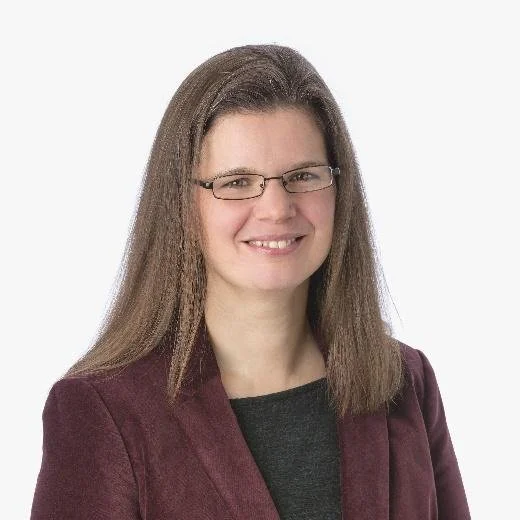
Tari Turner
Tari is Director of the Australian Living Evidence Collaboration (ALEC) and a Professor (Research) at Cochrane Australia.
Topic: Moving beyond living evidence: why living evidence is not enough & how we can get the evidence we actually need
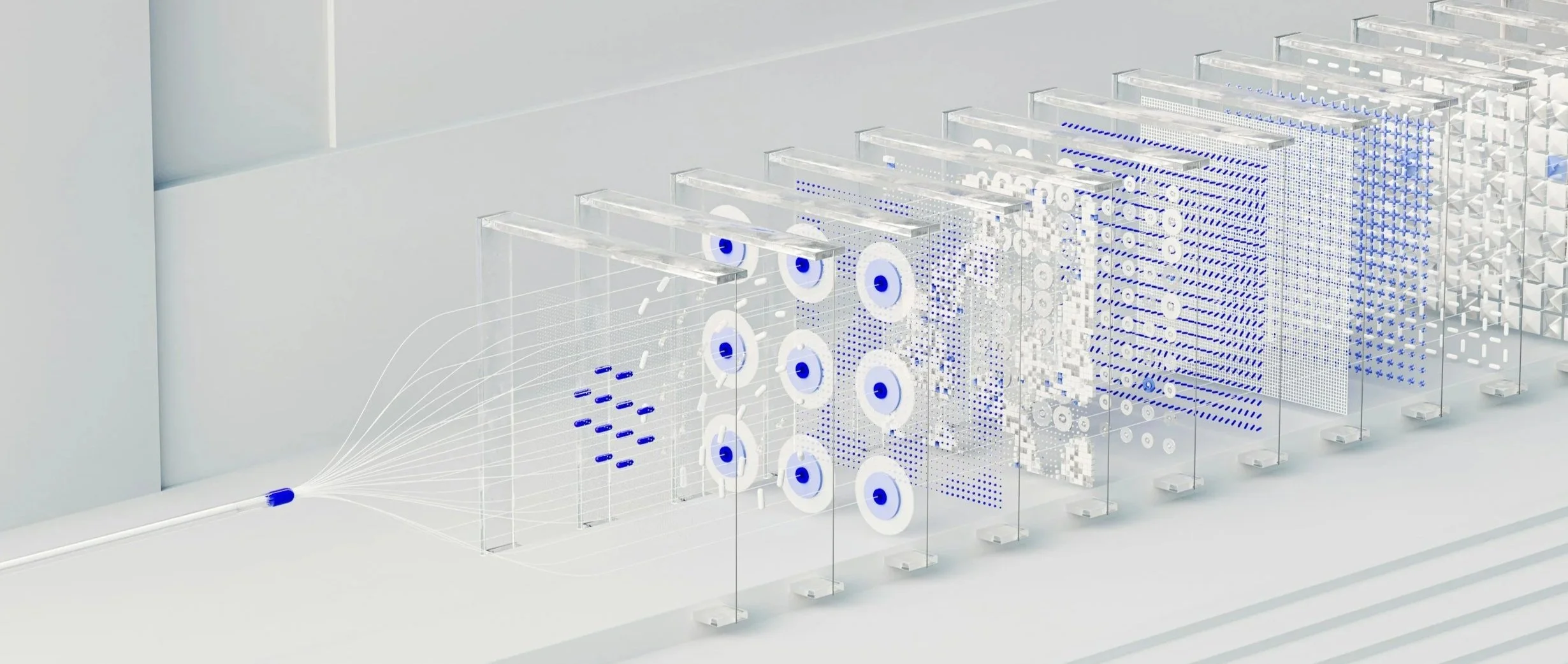
The images featured for each event above are artists’ illustration of artificial intelligence (AI) inspired by neural networks used in deep learning. They were created by Novoto Studio as part of the Visualising AI project launched by Google DeepMind and are all available royalty free on Unsplash.
Keep up with all things Cochrane Australia - subscribe to our newsletter to receive quarterly round-ups of all the latest news and reviews from around the country and beyond.